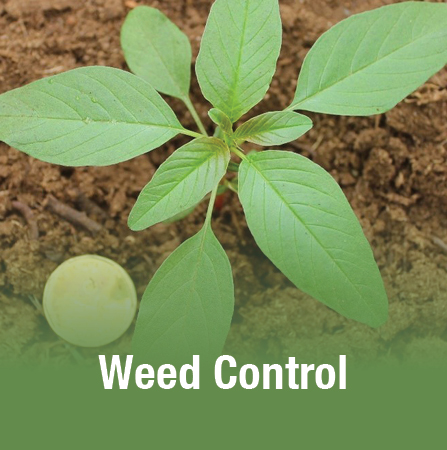
Quiz Series: Quiz 2 weeds in winter wheat
Test out your knowledge on a handful of weeds found in winter wheat. Answers are provided after you submit all your answers.
... Continue reading
Posted in Pest Management, Weeds Team Training
Leave a comment
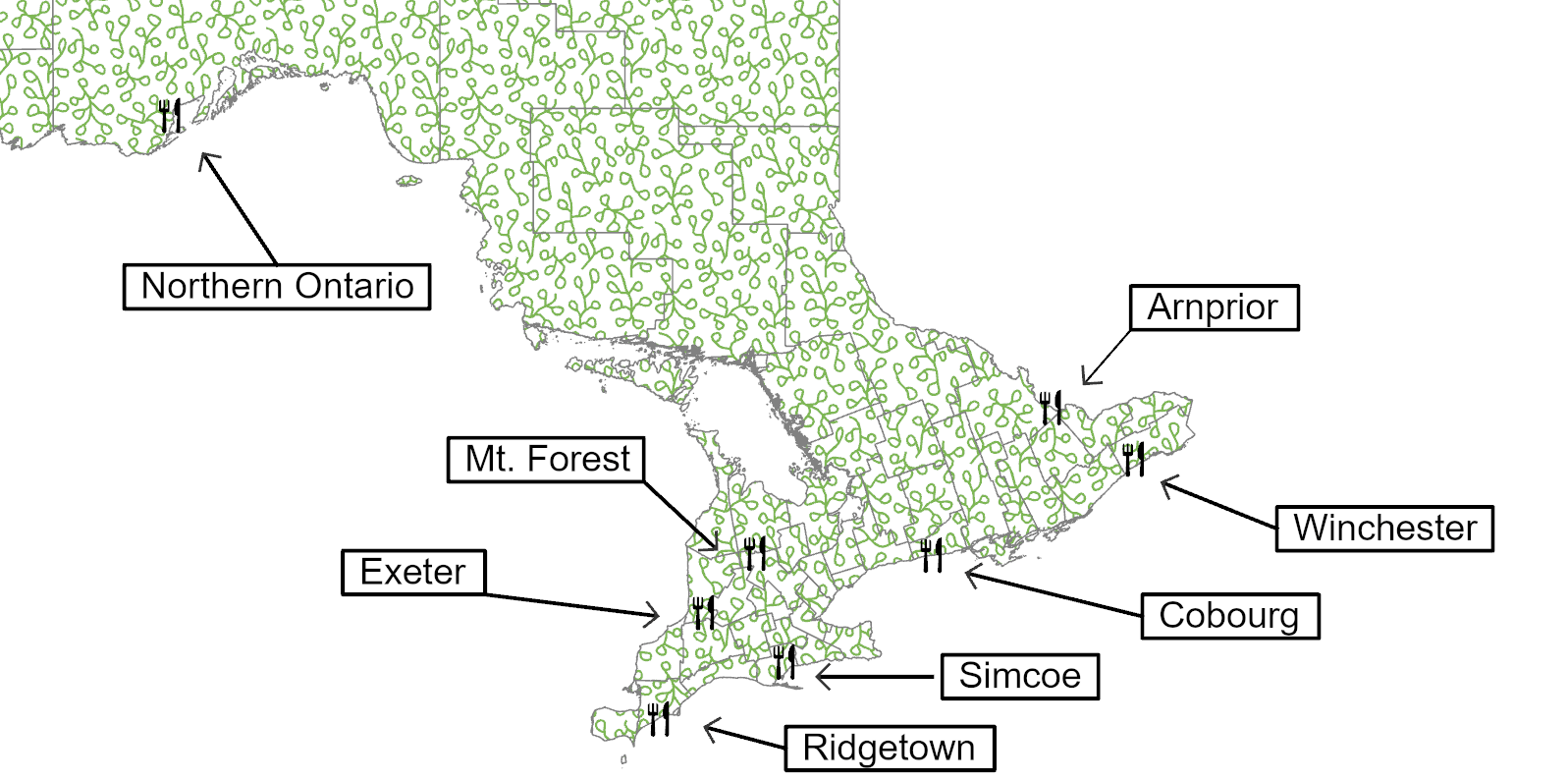
Winchester Ag Breakfast Minutes, April 30th, 2013
The area accumulated about 60 Crop Heat Units (CHUs) from 15th to the 30th of April, which is the same as last year for the same period (FarmZone). We received 1.5 to 2 inches (40 to 50 mm) of rain in April. Soils are slow to warm up. To-date only 20% of the spring cereals and a small forage and cor... Continue reading
Posted in In-Season Crop Reports
Leave a comment
Exeter Agbiz Breakfast Minutes April 30, 2013
Synopsis: 30% of wheat acres have had N applied. Yellow/brown/dead(?) wheat in low areas or on heavy soils from twice normal April rainfall. Few acres of corn planted, some spring cereals and new forage seedings. Winter annual weeds have bolted: control will be difficult (impossible). Soybea... Continue reading
Forage Report – May 1, 2013
Scattered reports are coming in from across the province of alfalfa winterkill in some of the higher risk older stands and fall harvested stands. Extensive winterkill has occurred in eastern Ontario, from Arnprior south, east to Quebec and west to about Brockville. There are reports of 75% winterk... Continue reading
Posted in Forage Production
Leave a comment
Red Clover Haylage
Red clover haylage can sometimes be a good alternative to alfalfa. Under ideal conditions alfalfa will usually outyield red clover. However, in areas where alfalfa winterkill is a problem, red clover better tolerates imperfect drainage and lower pH levels, and can be grown in fields that are too wet... Continue reading
Posted in Forage Production
Leave a comment
Alfalfa Autotoxicity
Reseeding alfalfa following alfalfa is not a recommended practice due to the effects of autotoxicity, and plant diseases that can build up in the old stand. Alfalfa autotoxicity occurs when established alfalfa plants produce toxins which reduce both the germination (establishment) and the growth ... Continue reading
Assessing Forage Stands for Winter Survival
Winterkill of forage stands is significant in many parts of eastern Ontario this spring. Both new forage seedings and older stands areeffected. A decision must be made to either keep and manage a reduced stand, or replace the stand with another crop. The first thing that forage growers need to do is... Continue reading
Posted in Forage Production
Leave a comment
Simcoe Ag Breakfast Meeting Notes – April 24, 2013
Highlights:
Wet and cool weather has slowed spring field activity. This spring is more typical and most producers have not rushed to start planting. Corn planting started yesterday in some areas, but others are holding off. Growers that planted corn April 15 last year are less anxious to s... Continue reading
Posted in In-Season Crop Reports
Leave a comment
Ridgetown Ag Breakfast Minutes, April 23, 2013
Synopsis: Rainfall over the last two weeks ranged from 3 to 5 inches. Little field progress with the cool wet weather: some activity on light soils Monday. “Late spring” is a common discussion: growers may be tempted to rush soils. Patience and low pressure tires will be a virtue. Slow emerg... Continue reading
Posted in In-Season Crop Reports
Leave a comment
Palmerston Crop Consultants Meeting Minutes
Synopsis: Very little nitrogen has been applied to wheat, and many are now abandoning plans for split application. In most areas the wheat looks good, including late plantings. Agricorp has received very few damage claims, and are busy inspecting uninsured late planted wheat. May 1 is deadli... Continue reading
National Soil Conservation Week April 21st to 27th, 2013
This is National Soil Conservation Week. It runs from April 21st to 27th. Soil conservation for many years focused on protecting the soil from wind and water erosion. Today the soil is becoming an integral part of the larger environmental picture. Soil conservation is now directly linked with water ... Continue reading
Exeter Ag Breakfast Meeting (April 15)
Synopsis: Much of the nitrogen on wheat has been applied further south (Essex) but progress has been spotty in this area. Much of the wheat further north has received no nitrogen yet which will probably mean that only one application of N will occur. (no split application) Overall the whe... Continue reading
Nutrients and Value of Liquid Hog Manure
The fertilizer value of liquid hog manure is significant and can provide all the required P205 and K20 and most of the nitrogen required by a corn crop. The table below shows the average available nutrients on a per thousand imperial gallons per acre basis. The availability is based on spring ... Continue reading
Posted in Canola, Cereals, Corn, Forage Production, Soil Fertility, Soil Management, Soybeans
Leave a comment
Winchester Ag Breakfast Meeting Notes
Cereals
Winter wheat survival is quite variable across the region. Survival is better in western Ontario. As a guideline, a good stand is 12 to 18 plants per foot of row. See Agronomy Guide, Table 4-8 Determining Yield Potential for Various Plant Stand Counts. 7 plants per foot of row, evenly dist... Continue reading
Posted in Cereals, Corn, Forage Production, In-Season Crop Reports, Pest Management, Soybeans, Variety Selection
Tagged forages
Leave a comment
Canada fleabane control in winter wheat
With an increase in the number of confirmed populations of glyphosate resistant Canada fleabane in Ontario, many are looking for ways to control these populations and to eliminate any seed production. Management options in soybeans have been discussed in an earlier post, but with weed control in cer... Continue reading
Posted in Pest Management
Tagged control, fleabane, glyphosate resistant, winter wheat
Leave a comment