Gearing Up for Harvest – Managing Volunteer Wheat, Crop Residues, and Fall Tillage
As we enter mid-September the beans are showing a wide range of harvest readiness, but it will be on us quickly. Let’s consider what we need to be thinking about moving forward as the dash to the season finish is soon to begin.
Managing Volunteer Wheat
Many harvested winter wheat fields that were not planted to a cover crop have a significant volunteer wheat pressure. This appears to be due to a combination of ideal growing conditions and more seed blown out the back of the combine this year. It is suspected that there was unknowingly, a higher percentage of small, shriveled, light kernels which resulted in more seeds going out the back of the combine even with well set combines.
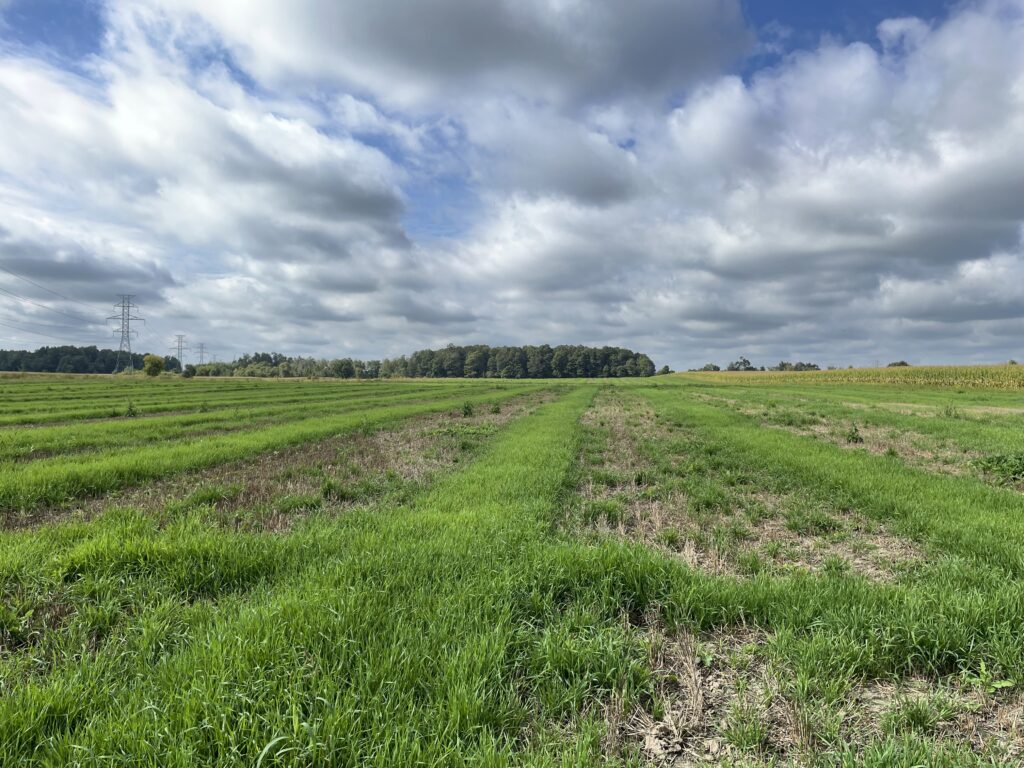
Regardless of the reason, there is a lot of growth to deal with in those fields. The traditional issue with heavy volunteer wheat growth is that it is difficult to manage going into corn next spring. With dense volunteer stands and heavy growth in some fields, volunteer wheat can mat in late fall and especially in spring if left over winter. This keeps soils cool and wet impacting seeding optimization next spring. Most people deal with heavy volunteer wheat stands with heavy tillage. That is expensive and more destructive to the soil than shallower, lighter tillage. Those that lightly worked those fields, used a burn down or cover crops have done a lot to manage the volunteer wheat problem before having to turn to heavy fall tillage. But there are a number of fields across the province that have been left alone since harvest and need to be dealt with.
If there is a lot of volunteer wheat top growth, a late season burn down may not offer as much value as the heavy dead foliage can still fall over and mat, especially in the very thick stands in the combine wheel tracks. The options are either aggressive tillage over the field or, if most of the problem is in the combine tracks, strategic heavy tillage on these strips and lighter tillage over the whole field.
Another challenge with heavy volunteer wheat is it provides aphids with a green bridge until newly seeded winter wheat fields emerge. This can result in increased risk for transmission of barley yellow dwarf virus (BYDV) to the new crop. Volunteer winter wheat fields should be terminated at least two weeks prior to seeding this fall, especially if growing winter barley or planting winter wheat early.
Managing Residues
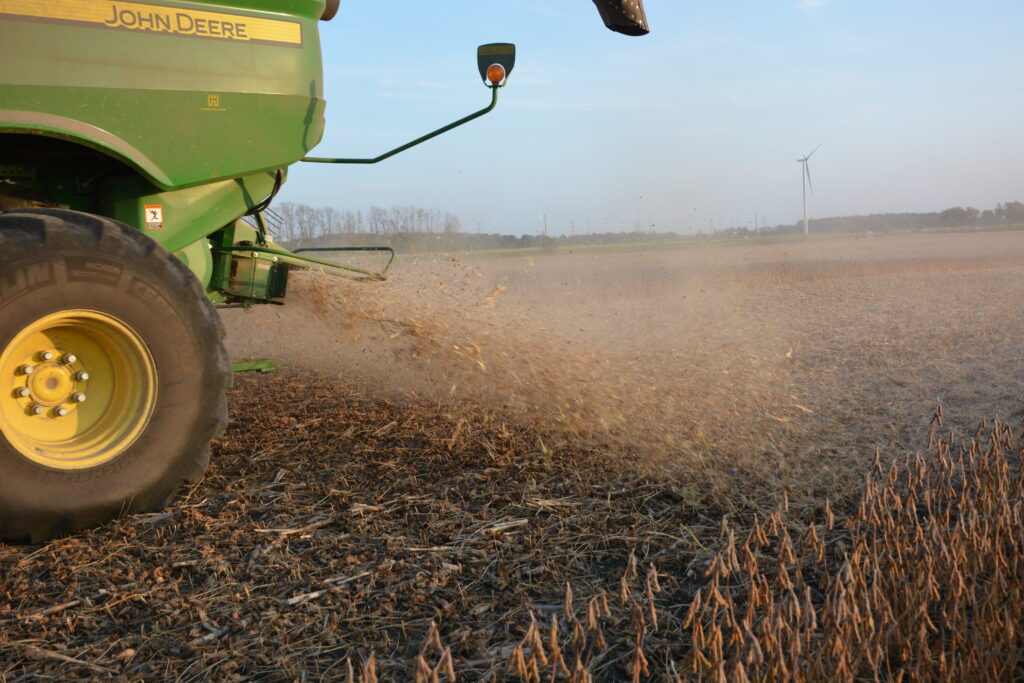
Combine setup is a critically important consideration as we prepare to start soybean harvest. Heavy or uneven soybean residue spread can negatively impact wheat emergence. Ensure that combine settings for both seed harvest and straw spread pattern are optimized.
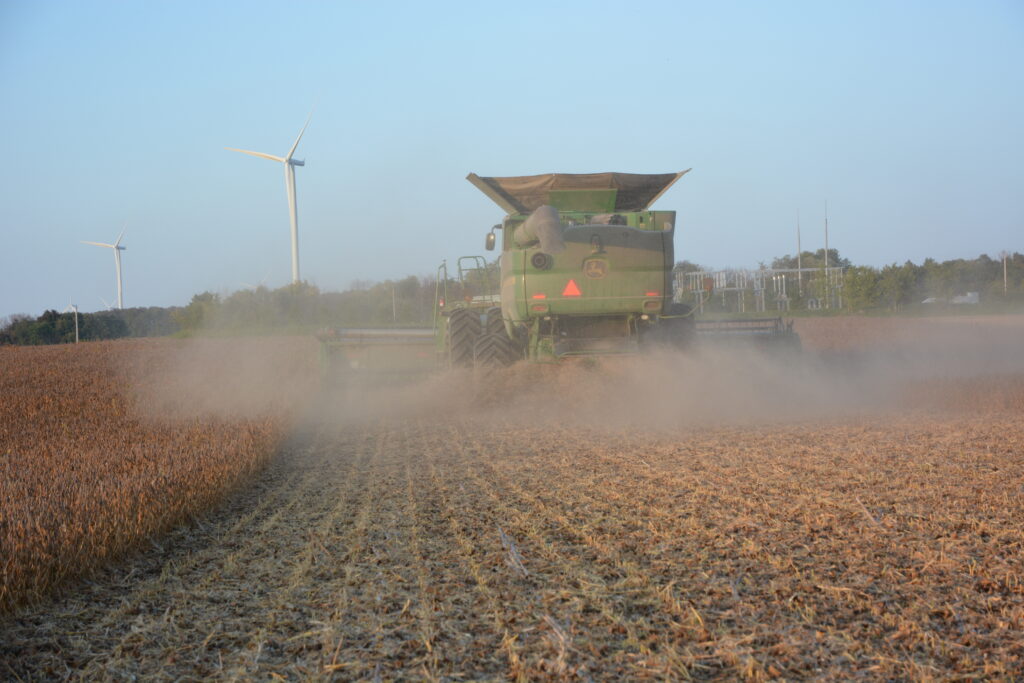
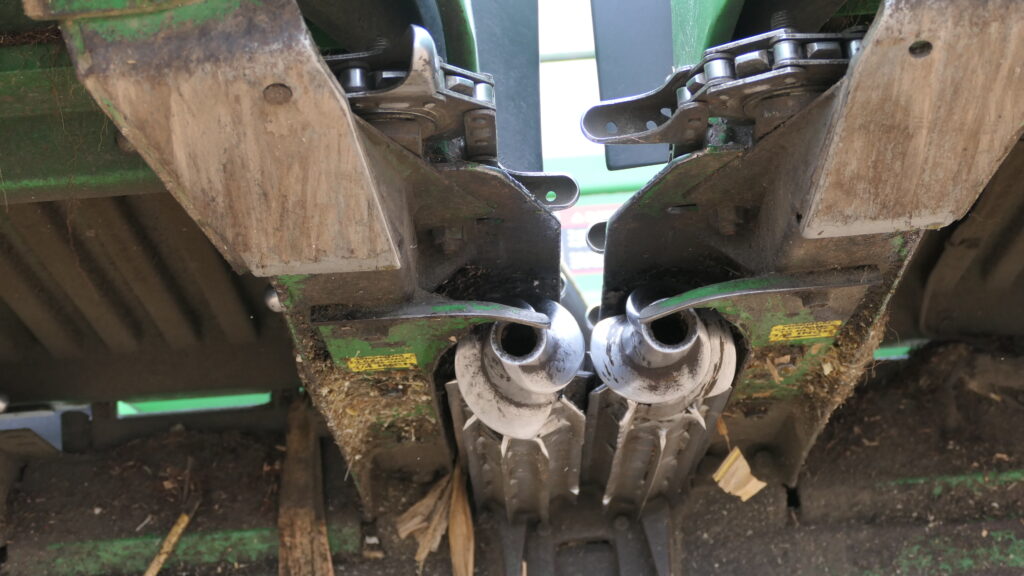
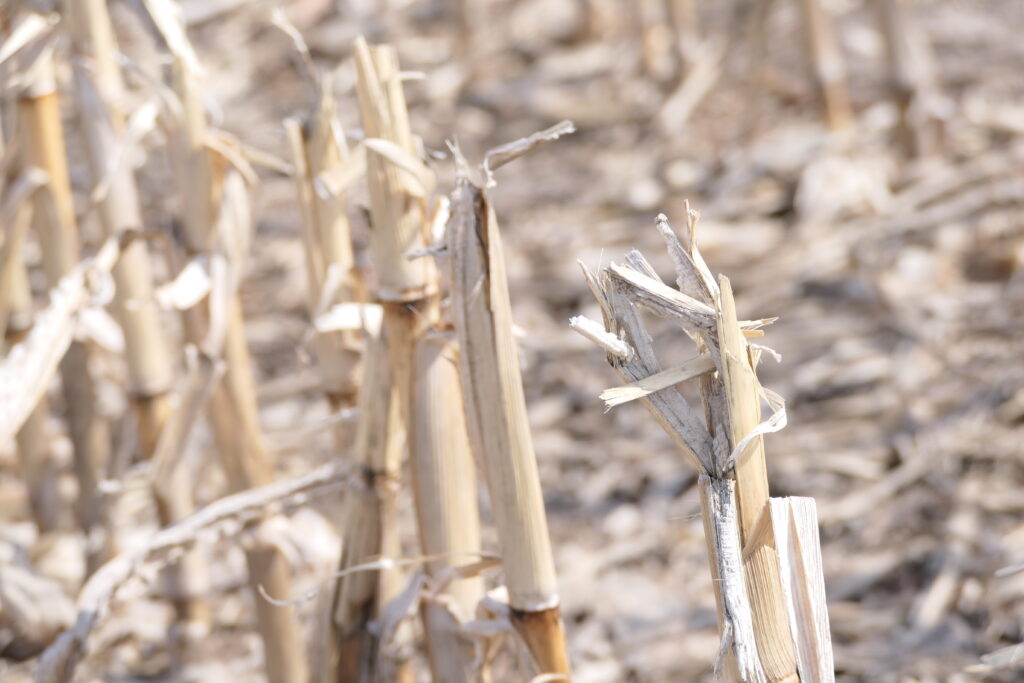
Corn residue management is also critical at harvest. Ensure the stalks are well “conditioned” at the header. There are lots of options to choose from in terms of feed rollers and stalk choppers. There are various perspectives and approaches on how to optimize this so ensure you are doing your research. Also be aware of the spread out the back of the combine. If residue management on the combine is optimized, it can mean significantly less tillage is needed to prepare a good seed bed next spring.
Fall Tillage
When it comes to making fall tillage choices, identify the specific “problems” you are trying to solve/address and choose the best solutions for your situation. There are many suitable options when it comes to tillage. However, the outcomes of tillage are influenced by many factors including timing, speed, depth, setup, field conditions, the broader field agronomy and finally the specific implement being used. Talk to your neighbours and advisory partners to find the best solutions for your residue management plan.