Soil is home to billions of organisms, from bacteria and fungi to earthworms and beetles. Learn how soil biology influences nutrient cycling, soil structure, residue decomposition, and overall soil health.
Key takeaways
- Soil is home to a wide range of different organisms, many of which exist in large numbers in agricultural soil.
- Soil organisms drive nutrient cycling, residue breakdown and other important soil functions.
- Crop rotation diversity and reduced tillage generally support soil life.
- Abundant and diverse soil life contributes to soil health and crop productivity.
Soil Life
Soil is a dynamic, living ecosystem. The many organisms that use agricultural soils as their habitat exert a strong influence on soil processes and properties. For example, consider what would happen to crop residues if there was no biology in soil to break them down? Or to the fate of nutrients from organic sources, like manure, if there were no microbes to convert them to plant-available forms.
Soil organisms affect many different soil functions, each of which is critical to agricultural production, including:
- Residue decomposition and nutrient cycling.
- Creation of soil structure and porosity, which aid in water and gas exchange between soil and air.
- Production and stabilization of soil organic matter, which helps increase soil nutrient availability and water storage.
- Nitrogen fixation – in symbiotic association with legumes and in free-living organisms.
This factsheet profiles the role soil biology, or soil life, plays in maintaining soil health and function, and in turn, supporting plant productivity. Disease-causing and parasitic organisms will be mentioned but are not the focus. Soil life will be broken down into four categories: microorganisms, microfauna, mesofauna and macrofauna (fauna means animals – so, small, medium and large-sized soil animals). Key characteristics, soil impacts, and example organisms will be provided for each. The final section will summarize the impacts of agricultural management practices on soil life.
The purpose of this factsheet is to provide an understanding of the diversity of life in the soil and the functions it provides. It relies heavily on information from two sources: Farming with Soil Life, by the Xerces Society, and the Global Biodiversity Atlas, published by the European Commission. To dig deeper into the many fascinating details of soil biology, access links to either document under the resources section at the end of this factsheet.
Soil microorganisms
Most soil microorganisms (microbes) are too small to be seen without magnification. The main categories of soil microbes are bacteria, fungi, protozoa, archaea, and algae. Despite their small size, microorganisms are tremendously abundant in soil. For example, a teaspoon of healthy soil can contain more microbes than there are people on earth, and a pound of soil is home to a staggering 45 to 454 billion bacteria (Milo et al., 2010). It is no surprise that microbes play a critical role in soil.
Did you know?
Other than plant roots, soil fungi represent the largest component of living biomass in agricultural soils.
The table below outlines the major categories of soil microbes, their main attributes, and provides examples of the effects they have in agricultural soils.
Table 1. Primary categories of microorganisms and key examples for agriculture.
| Type of microorganism and defining attributes | Agricultural examples and key features |
| Bacteria • Single-celled. • Variety of shapes, from round to spherical, rod-shaped to spiral. • Can live with (aerobic) or without oxygen (anaerobic). • Exist independently (free-living) or as symbionts that rely on other organisms. | Nitrogen (N2) fixers • Symbiotic species, such as rhizobia, live in nodules of legume plants and fix nitrogen in exchange for carbon. They typically provide most or all the nitrogen requirements of legume crops. • Free-living N2 fixers live in soil and fix nitrogen gas from the atmosphere and convert it to ammonia-nitrogen. Contribute modest quantities of nitrogen to soil. Nitrifiers • These bacteria are critical for the nitrogen cycle in soil. • They convert nitrogen from an ammonia form to nitrate form (with nitrite occurring in between). Actinomycetes • Exhibit a growth pattern that resembles fungi. • Help break down difficult-to-decompose plant materials. • Contribute to the “earthy” smell of soil. |
| Fungi • Grow thread-like filaments called hyphae that collect nutrients and water. • Most species reproduce by spores. • Other than plant roots, soil fungi represent the largest component of living biomass in agricultural soils. • Intolerant of frequent and intensive tillage. • Pathogenic fungi cause many different types of plant disease. | Arbuscular mycorrhizal fungi (AMF) (Figure 1) • Form mutually beneficial associations with plants, including with the majority of crop species. • In exchange for carbon from plant roots, AMF use very fine hyphal threads to access large volumes of soil and supply nutrients and water to the plant. Saprophytic fungi • Represent the majority of fungal species. • Acquire nutrients by breaking down dead organic materials like crop residues and dead bodies of other soil organisms. • Play an important role in recycling nutrients and carbon. |
| Archaea • Single-celled, microscopic organisms. • Distinct from bacteria and eukaryotes (multi-cellular organisms). • Adapted to a very wide range of environmental conditions. | Ammonia oxidizing archaea • Convert ammonia into nitrite, which is readily turned into nitrate (nitrification). • Tend to be dominant in acidic soils relative to their bacterial nitrifier counterparts. Methanogens • Live in anaerobic soil environments, such as poorly drained portions of fields or compacted zones. • Produce methane using carbon dioxide and other compounds. |
| Protists • Multicellular organisms. • Mineralize nutrients through feeding bacteria and fungi. • Form cysts when conditions are harsh. | Amoeba • Move by extending cell membranes and using “false feet”. • Thrive in thin films of water and in tight spaces in soil. • Primarily feed on bacteria, but some consume fungi or other protists. Ciliates • Move by hair-like cilia in water films in soil. • Some are free-living in soil, others form symbiotic or parasitic relationships with organisms. • Consume bacteria and contribute to nitrogen cycling. |
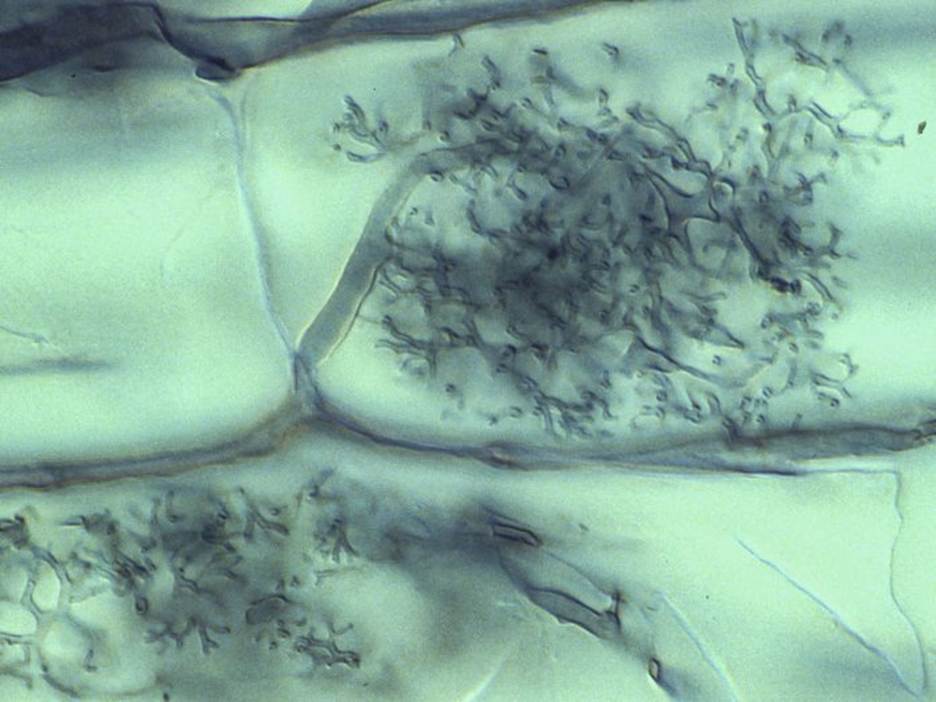
Figure 1. A leek root colonized by arbuscular mycorrhizal fungi. Source: https://www.openaccessgovernment.org/article/soil-health-a-role-for-arbuscular-mycorrhizas/174967/ (Photo: Mark Brundrett).
Soil fauna
The remainder of life in the soil, besides plants, can be broadly categorized as soil animals, or “fauna”. The definition of different types of soil fauna can vary. In this factsheet, groups of soil fauna are defined based on body width, as follows:
- Microfauna: <0.2 mm
- Mesofauna: 0.2-2 mm
- Macrofauna: 2-20 mm
- Megafauna: >20 mm
The following sections describe each category, along with key species groupings and the role they play in the soil.
Soil microfauna
This group of very tiny soil animals plays a key role in nutrient cycling. Microfauna includes nematodes, rotifers and tardigrades. They mostly eat bacteria and fungi, though some feed on dead plant residues and other types of soil life. A small percentage are also parasitic and can significantly reduce plant productivity (e.g., soybean cyst nematode).
Nematodes
- Slender worms with unsegmented bodies (Figure 2). Specialized mouthparts based on type of food consumed.
- Live in water films or water-filled pores in soil.
- Different species have varying food sources, including bacteria, fungi, protists, rotifers and even tardigrades. Plant-parasitic nematodes feed on plant roots.
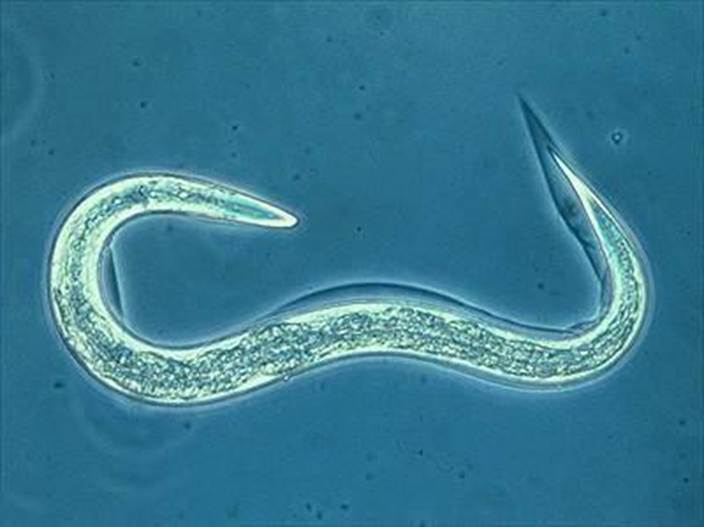
Figure 2. Beneficial nematode. Source: Rutgers University via University of Maryland Extension.
Rotifers
- Small body comprised of a head, trunk and foot.
- Live in water films in soil.
- Feed on bacteria, protists, fungi and algae.
Tardigrades
- Original name was “little water bears”. Short, segmented bodies with claws (Figure 3). Move slowly.
- Live in water films.
- Feed on algae and moss. Some predatory species eat nematodes and rotifers.
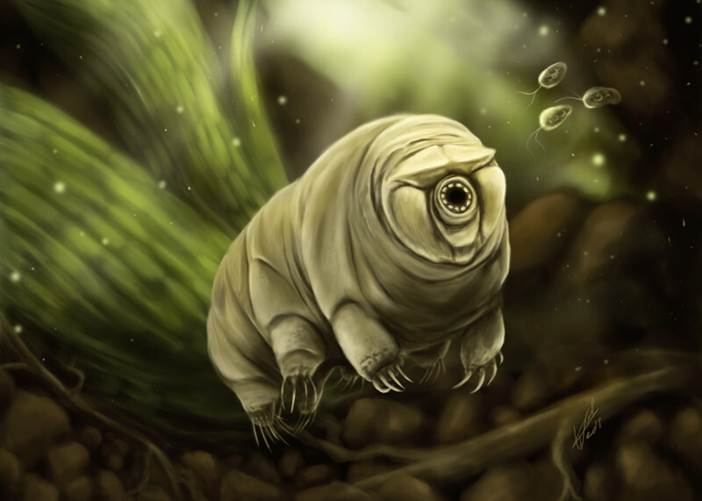
Figure 3. Illustration of a tardigrade. © Kate Solbakk.
Soil microfauna
This group of medium-sized soil animals mostly consume dead plant material as well as other types of soil life. Soil mesofauna play a very important role in helping to decompose dead plant material. Types of mesofauna include springtails, mites, thrips and dwarf millipedes, among other groups.
Springtails
- Range in shape widely, but all have six legs (Figure 4), and many have a tail-like, springing structure called a furcula that helps them jump more than 20 times their body length.
- Generally, they live in soil surface litter, though some types live within the soil.
- Largely consume plants, fungi and bacteria that are decaying, though some species eat other types of micro and mesofauna.
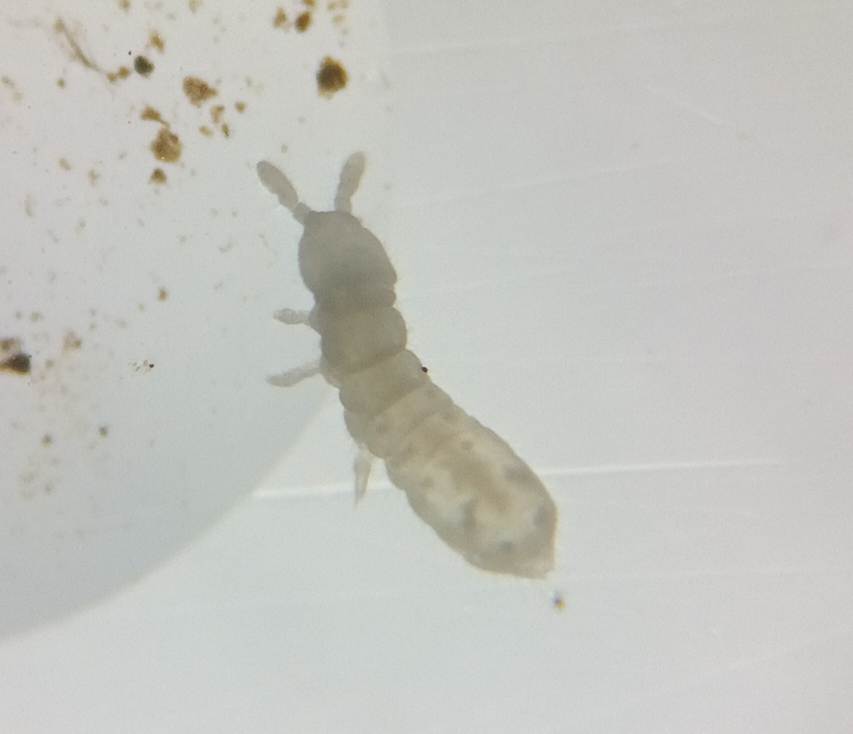
Figure 4. A springtail © Eryk Miksa (https://www.inaturalist.org/observations/346830658).
Mites
- Possess an exoskeleton and have rounded or pear-shaped bodies, usually with four pairs of legs.
- Live at the soil surface, as well as within surface soil layers. Some species live in deeper soil horizons.
- Feed on dead plant material and break it into smaller pieces that are more accessible to smaller organisms. Also consume bacteria, fungi, algae, and in some cases, other types of mesofauna like springtails.
Thrips
- Small, slender, dark bodies. Possess mouthparts that pierce and suck.
- Live in leaf litter, in soil or on fungi.
- Those that live in or near soil eat fungal spores, whiles others predate mites and small insects. Plant-feeders eat leaves, fruit and buds and can cause economic damage to crops.
Soil macrofauna
Soil macrofauna includes many of the organisms typically associated with soil, such as earthworms, ants, spiders, and millipedes. Some species are plant pests, such as slugs and grasshoppers, but as a whole, they contribute to soils by aiding in decomposition of crop residues, predating pest species, and by physically altering the soil environment.
Earthworms
- Range in length from 1-40 cm and have soft, segmented bodies.
- Live in leaf litter or a depth in the soil, depending upon the species. Epigeic species live at the soil surface, endogeic species live in topsoil (Figure 5), and anecic (deep-burrowing) earthworms, e.g., nightcrawlers, burrow in deeper soil layers. Deep-burrowing earthworms establish permanent burrows (Figure 6) to a depth of three feet or more.
- Earthworms feed on dead plant residues, organic amendments and microbes.
- Earthworms play an important role in processing plant residues, cycling nutrients, and in increasing nutrient availability for plants through their casts. They are also well known as “ecosystem engineers” for their role in altering the soil environment through their burrowing activities, which can significantly increase water infiltration and enable deeper root growth.
Did you know?
Many of the most common earthworm species in Ontario’s agricultural soils are non-native and were introduced from Europe.
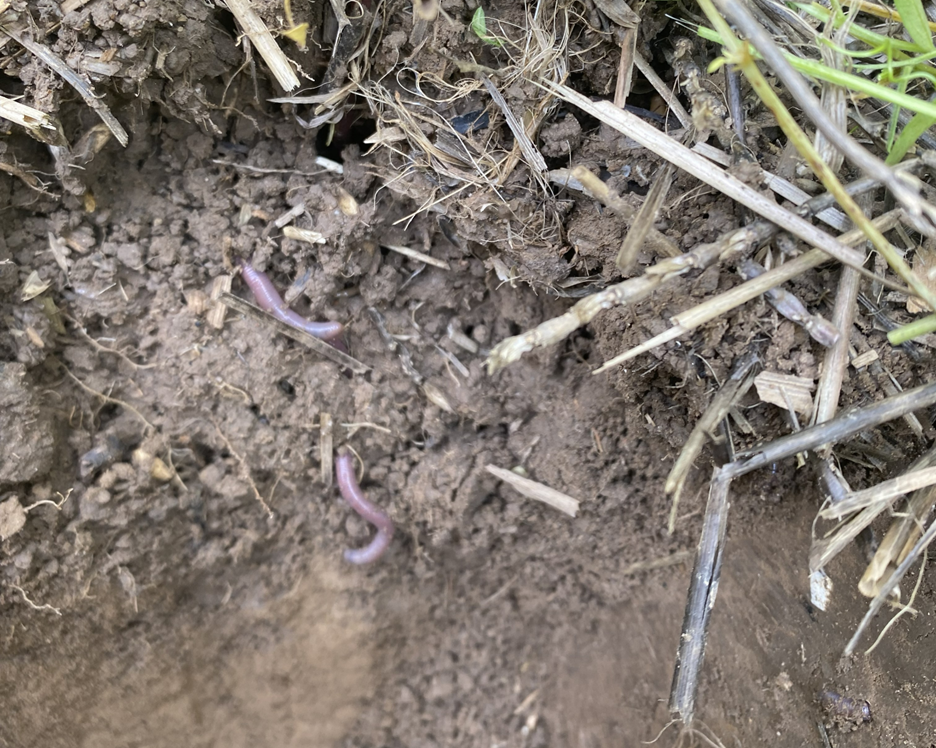
Figure 5. Topsoil-dwelling earthworms in an Ontario farm field.
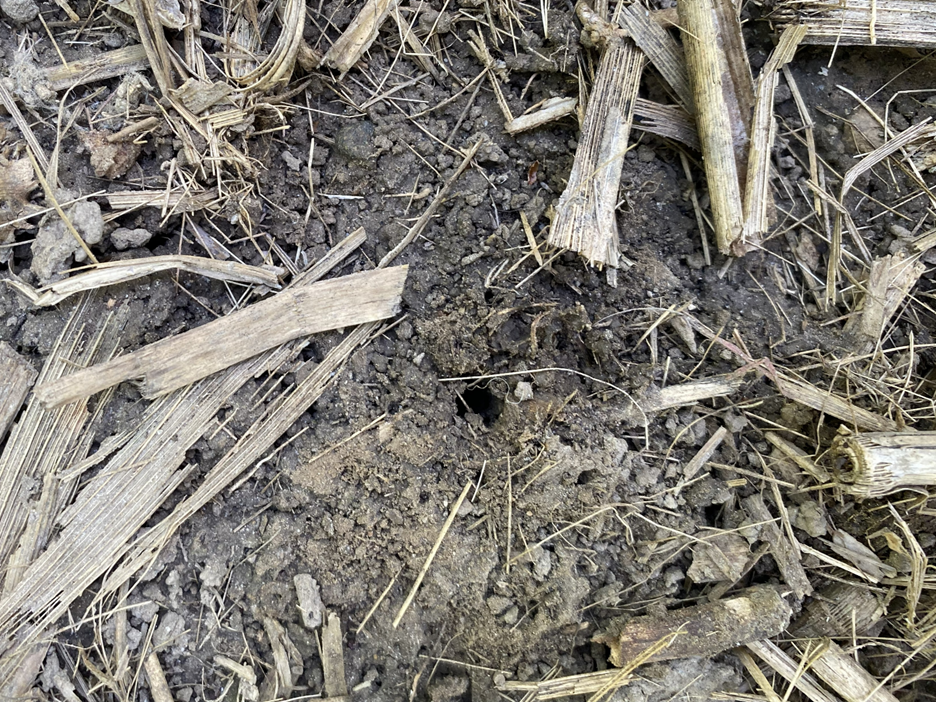
Figure 6. The opening of a permanent burrow from a deep-burrowing earthworm.
Beetles
- Most beetles are less than 5 mm long and those that live in soil are typically brown or black. Body shape varies, and characteristic features include horns or tusks.
- Beetles live in soil or leaf litter, as well as under debris like stones and wood, and can frequently be found on the soil surface.
- They eat a range of different foods, depending on the species. Some consume larger organisms like earthworms or springtails, while others eat fungi or decomposing organic materials like wood. Ground beetles (Figure 7) are generalist predators and are well known as voracious eaters of slugs. Depending on the environment and species present, beetles can play a critical role in decomposition and cycling of nutrients (e.g., dung beetles and their processing of animal manure).
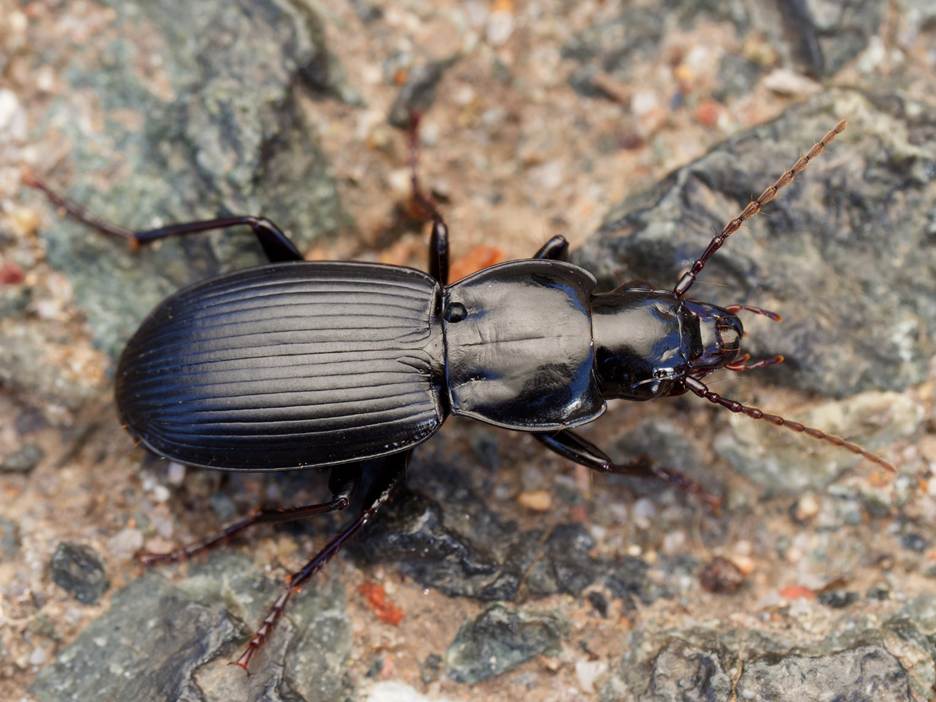
Figure 7. A cosmopolitan ground beetle (Laemostenus complanatus). © Julian Fuchs (https://www.inaturalist.org/observations/343545297).
Woodlice (pill bugs and sow bugs)
- Most woodlice species range from 5-15 mm and all have an abdomen, thorax and head. They have two pairs of antennae, seven pairs of walking legs, and four pairs of mouthparts. Pill bugs are characteristically able to roll up into a ball.
- Live in moist leaf litter, as well as underneath logs and stones.
- Woodlice typically feed on plant material such as leaf litter, though some can feed on plant roots.
- Play an important role in decomposing plant material, in part by breaking up larger leaves into smaller pieces that are more accessible by smaller organisms.
Soil megafauna
Soil megafauna are animals with a body width greater than 20 mm (0.79 inch) and greater than 10 cm (3.9 inches) in length. They include moles, shrews, some rodents, adult salamanders and limbless lizards.
Management impacts on soil life
Soil management practices that protect the physical soil environment and provide ample and varied food sources tend to result in more abundant and diverse soil life. This, in turn, results in enhanced soil functions, such as residue breakdown and nutrient cycling. In general, less tillage, greater crop diversity, inclusion of cover crops, organic amendment application and lesser pesticide use tend to have positive effects on soil biology. Other management practices, such as subsurface drainage and liming, can have impacts on soil life as well, but are not covered here.
Tillage
- Most soil life tends to increase in abundance under no-till as opposed to conventional tillage systems (Kladivko, 2001).
- Larger organisms are generally more sensitive to tillage than smaller ones, as they appear to be more vulnerable to residue burial, physical changes in soil and alterations to soil temperature and water content from tillage (Kladivko, 2001).
- Ontario research found earthworm populations to be much greater under no-till management, which in turn enhanced aggregation and porosity (VandenBygaart, 1998).
- Tillage systems that maintain surface residue cover, such as no-till, strip-till and vertical tillage, help support high populations of organisms like ground beetles, which benefit from the shelter provided by residue, and deep-burrowing earthworms, which establish permanent burrows and rely on surface residue as food.
Crop rotation and cover crops
- A greater diversity of crop families in rotation provides varied food sources for soil life and can enhance the soil physical environment through soil structure improvement, especially when fibrous-rooted, high-residue returning crops are grown.
- Increased crop rotation diversity has generally been found to increase soil microbial biomass and diversity, often with enhanced soil function through improvements in soil aggregation and soil organic matter stabilization. Effects on soil fauna can be more nuanced, but impacts are typically positive.
- University of Guelph research has found winter wheat in rotation with corn and soybeans to increase populations of microbes associated with plant growth promotion (Mayer et al., 2026).
- Inclusion of perennial crops such as alfalfa in rotation has a particularly positive effect on a wide range of soil life by providing a prolonged period without disturbance as well as an extensive root system and year-round surface residue cover.
- Cover crops contribute an added food source for soil organisms. Their use is associated with increased earthworm populations. Ontario research has also found that cover crops (winter cereal rye and daikon radish) included in a field crop-processing vegetable rotation significantly increased bacterial and fungal abundance and diversity in soil (Drummelsmith, 2020).
Organic amendments
- Manure and other organic amendments such as compost provide an additional food source to soil organisms, and as a result, tend to stimulate increases in overall biomass.
- The type of amendment applied influences which types of organisms benefit. For example, high carbon leaf yard waste compost will tend to enhance the overall population of soil fungi, which use such materials as a food source. Application of high ammonia liquid hog manure, on the other hand, would primarily stimulate growth of bacteria that transform nitrogen in soil, often on a short-term basis.
- Regular application of organic amendments can result in long-term changes in the soil ecosystem. For example, it can enhance populations of microfauna, such as beneficial, microbe-eating nematodes, due to greater abundances of bacteria and fungi.
Pesticides
- Pesticides often have their greatest direct effects on organisms that are closely related to the target pest, although susceptibility varies among species and depends on exposure and mode of action.
- The potential for broader negative effects on the soil ecosystem depends on the type of pesticide, the rate and frequency of use, and other factors such as soil type, organic matter content and tillage system.
- Pesticides may kill non-target organisms or have more subtle effects, such as causing reductions in activity and reproduction in specific species. One example of this is the lessened activity of arthropod predators, such as ground beetles, that feed on slugs exposed to thiamethoxam-treated soybeans (Douglas et al., 2015).
- Because herbicides are designed to target plant biochemical pathways, soil bacteria and fungi are generally less sensitive to them than plants, although some herbicides can alter microbial activity or community composition under certain conditions.
- Soil microbes play a very important role in degrading pesticides in soil.
- Integrated pest management and the judicious use of pesticides is an important strategy in supporting abundant and diverse soil life and fully benefiting from the important functions it provides in agricultural soils.
Better together
The positive effects of management practices on soil life are greatest when they are used in combination. For example, a field managed with no-till and strip-tillage, a diverse crop rotation, frequent cover crop integration, regular organic amendments and integrated pest management is likely to support abundant and diverse soil life, which, in turn, contributes to healthy and resilient soil.
For detailed information on best management practices in Ontario, visit www.bmpbooks.com. For videos on topics such as strip-tillage, crop rotation and cover crops, as well as case studies of Ontario farmers implementing best management practices, visit Farm and Food Care Ontario’s Soil Health page.
Resources
- Global Soil Biodiversity Atlas (European Commission)
- Farming with Soil Life (Xerces Society)
References
Douglas, M.R., Rohr, J.R., and Tooker, J.F. 2015. Editor’s Choice: Neonicotinoid insecticide travels through a soil food chain, disrupting biological control of non-target pests and decreasing soya bean yield. Journal of Applied Ecology 52: 250-260. https://doi.org/10.1111/1365-2664.12372
Drummelsmith, J. 2020. The impact of cover crops and crop residue removal on soil microbial community abundance, diversity and soil health in a medium-term cover crop field trial in southwest Ontario. Master’s dissertation, University of Guelph. https://atrium.lib.uoguelph.ca/server/api/core/bitstreams/558445b4-e0a1-471a-9678-cfd583c01fe9/content
Hopwood, J., Frischie, S., May, E., and Lee-Mäder, E. 2021. Farming with Soil Life: A Handbook for Supporting Soil Invertebrates and Soil Health on Farms. Portland, OR: The Xerces Society for Invertebrate Conservation. 128 pp.
Kladivko, E.J. 2001. Tillage systems and soil ecology. Soil and Tillage Research 61: 61-76. https://doi.org/10.1016/S0167-1987(01)00179-9
Mayer, E., Tosi, M., Fournier, S., Hooker, D., and Dunfield, K. 2026. Diversification of corn-based cropping systems with wheat increases plant growth-promotion potential of soil microbial communities. Applied Soil Ecology 217: 106656. https://doi.org/10.1016/j.apsoil.2025.106656
Milo, R., et al. 2010. BioNumbers entry BNID 107505. Nucleic Acids Research 38(Suppl. 1): D750-D753. Available at: https://bionumbers.hms.harvard.edu/bionumber.aspx?s=n&v=0&id=107505 (accessed March 26, 2026).
Orgiazzi, A., Bardgett, R.D., Barrios, E., Behan-Pelletier, V., Briones, M.J.I., Chotte, J.-L., De Deyn, G.B., Eggleton, P., Fierer, N., Fraser, T., Hedlund, K., Jeffery, S., Johnson, N.C., Jones, A., Kandeler, E., Kaneko, N., Lavelle, P., Lemanceau, P., Miko, L., Montanarella, L., Moreira, F.M.S., Ramirez, K.S., Scheu, S., Singh, B.K., Six, J., van der Putten, W.H., and Wall, D.H. (Eds.). 2016. Global Soil Biodiversity Atlas. Luxembourg, Luxembourg: European Commission, Publications Office of the European Union. 176 pp.
VandenBygaart, A.J. 1998. Changes in soil morphology on a chronosequence of no-till agricultural soils. Doctoral dissertation, University of Guelph. https://atrium.lib.uoguelph.ca/server/api/core/bitstreams/58a4068f-087f-4bd3-ba74-4d5d5cbf49db/content