Seeded canola acres increased by 12% compared to 2025 as approximately 52,000 acres were insured in 2026 through Agricorp. Reported acreage is inclusive of winter canola seeded in 2025 and spring canola seeded in 2026.
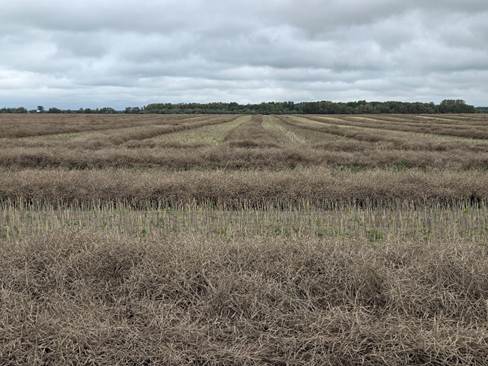
Spring Canola
Many spring canola fields were seeded in May under great field conditions. Wet weather in some areas including Temiskaming District and Nipissing District delayed seeding into early June. Some early seeded spring canola had to be replanted because of significant frost kill.
Insect pressure was generally low for many regions. Few fields were sprayed with a foliar insecticide to control flea beetles. Some fields warranted foliar insecticide spray for cabbage seedpod weevil; however, most did not receive an application. Swede midge damage was isolated to certain fields. Damage was more pronounced in later planted canola fields, and most was observed in headlands of fields. Many growers chose not to use a foliar insecticide against swede midge, either because pest pressure was low, or because experience suggested that in-crop control was low.
Clubroot continues to be of high concern in several fields in major spring canola growing regions. Severe cases of clubroot were noted more frequently on fields with acidic soils (pH less than 6.5), tight canola rotations, and use of varieties with inferior genetic resistance. The most severe cases were observed on fields with a history of canola planted after canola and a delay in deploying available genetic resistance. Clubroot likely caused 100% yield loss in several large sections of fields.
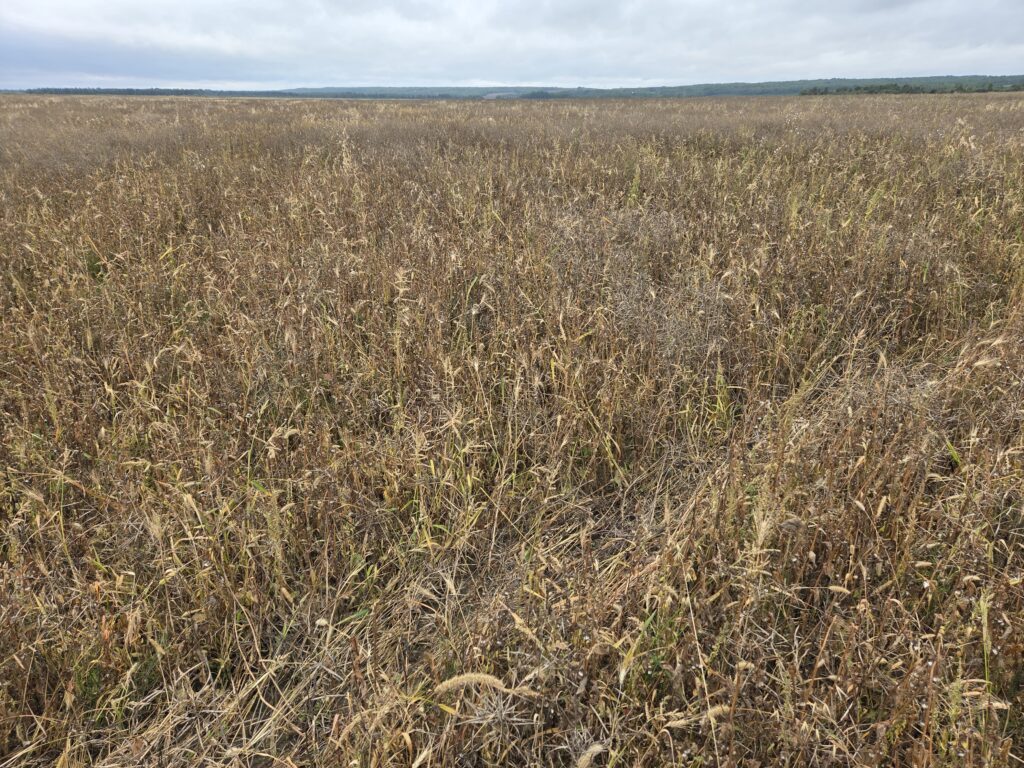
Winter Canola
Many fields came out of winter in excellent shape with good winter survival. Adequate snow cover over the winter likely contributed to high winter survival. Some winter canola stands in the spring of 2026 were variable. Many fields were established in dry fall conditions, which led to poor emergence and uneven growth stages before winter. Some fields were completely terminated in the spring, while others only terminated certain sections in the field where the stand was inadequate.
Wet field conditions in early spring delayed the timely application of fertilizer and herbicide. Many fields received applications after canola had bolted. Application of some Group 1 herbicides during the flowering stage of canola has been documented to reduce yields as the formulated products can interfere with the reproductive stages of canola. Fields that warranted a grass herbicide application were fields that did not receive a post-emergent application in the fall. Many farmers were faced with the dilemma of either: (1) controlling volunteer cereals in the reproductive stage of canola and risk yield loss from herbicide injury, or (2) leave the grass weeds that will reduce yield and potentially impact quality with cereal grains in the canola sample.
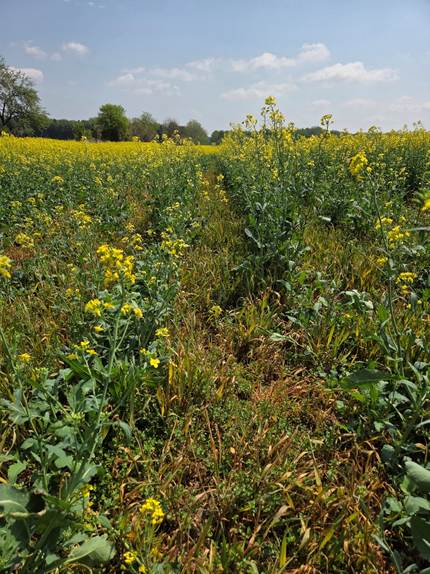
Winter canola experienced several frost events in the spring at various developmental stages with leaf tissue damage, flower abortion, bud damage, stem cracking, and drooping stems observed. The yield impact is typically minimal from light frosts or short duration cold spring temperatures as plants usually recover from the setback. Winter canola puts out more flowers and buds than what will develop into viable pods and seeds, so can typically compensate for frost events; however, the frequency of the frost events is likely a contributor to yield loss observed in some fields. Generally, the spring temperatures were moderate, which supported a long reproductive and seed-fill window.
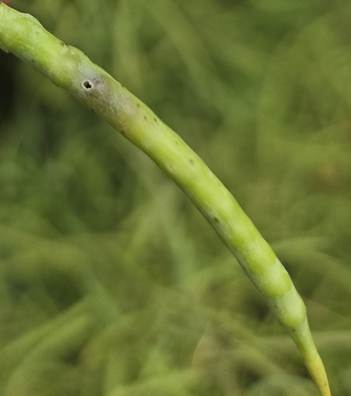
Cabbage seedpod weevil pressure was higher in much of the winter canola growing areas than in recent years. Damage was noted as higher in Essex, Lambton, and Chatham-Kent. The snow cover over the 2025-2026 winter allowed the weevils to overwinter well, which may have contributed to the increased levels observed this year. The higher sustained concentration of canola production in some regions also likely contributed to an increase in population. Some fields warranted an insecticide application. In many of the fields, threshold levels for insecticide intervention were only reached in headlands. It is important to scout the crop for adult weevils during the 10% bloom stage through to the end of flowering as the yield loss is caused by the larvae that emerge from eggs that are laid in pods. Larvae feed on seeds and bore an exit hole through the pod, which increases shatter loss. In some cases, the insecticide application aligned with white mould fungicide timing, so the two were tank-mixed in a single pass. Continued proactiveness to scout and manage for cabbage seedpod weevil will be imperative going forward. Use of insecticides to manage cabbage seedpod weevil should only occur when the economic threshold of 25-40 weevils per 10 sweeps is reached. Unnecessary insecticide use can be uneconomical and may kill beneficial insects like bees that have been documented to increase canola yield.
The fall 2026 seeded winter canola has received and is forecasted to receive favourable fall weather to accumulate adequate biomass to survive the winter, despite delayed seeding in many areas from wet conditions. Some reports of uneven stands because of slug feeding were recorded, mainly in areas where preceding cereal residue spread was inconsistent and there was inadequate tillage in high residue areas. The fall weather and experience of a wet 2026 spring prompted many farmers to conduct their entire weed control program including volunteer cereal control in the fall to set the crop up well for 2027.