2021 Ontario Virtual Crop Diagnostic Days

This post contains information on how to participate in the 2021 Ontario Virtual Crop Diagnostic Days. […]
This is the default category…its listed as uncategorized so that posts don’t appear in the from category.
This post contains information on how to participate in the 2021 Ontario Virtual Crop Diagnostic Days. […]
Wheat harvest is just beginning in Ontario, so it’s high time to make sure your grain storage and dryers are ready for this coming season! In our Ontario climate, grain dryers are an essential part of our production system, allowing us to grow longer-season crops and take advantage of yield benefits, while still being able […]
OAgC21 – The Many Benefits with Registration! Full Access! All 3 major Ontario conferences under one roof! “One Stop Shopping” for anyone who has attended Southwest Ag Conference, Eastern Ontario Crops Conference, and/or FarmSmart Ag Conference in the past. No winter travel required Offering loads of incredible content! 6 Live Sessions (3 on January 6th […]
2021 Episode Schedule and CCA sign in sheet: LIVE – Weed Management – July 20th, 2021 @ 10:00 am EST: Dr. Peter Sikkema, Mike Cowbrough – sign-in here Cover Crops, Pasture Management, Soybeans, Corn and More! – August 3rd, 2021 @ 10 AM EST – sign-in here LIVE – Insect & Disease Management – August […]

Job Term: Temporary for 16 weeks, beginning spring 2019 Salary: $14.85 / hour, based on a 36.25 hour work week Job Ad Closing Date: Friday, March 29, 2019 Available Positions/Locations: Position Focus Location Contact Person Corn Agronomy and Nutrient Management Guelph Ben Rosser and Christine Brown Are you serious about making […]

Job Term: Temporary for 16 weeks, beginning spring 2019 Salary: $14.85 / hour, based on a 36.25 hour work week Job Ad Closing Date: Friday, March 8, 2019 Available Positions/Locations: Position Focus Location Contact Person Field Crop Pathology Ridgetown Albert Tenuta Soil Management Ridgetown Adam Hayes Field Crop Entomology Ridgetown Tracey […]
There is no excerpt because this is a protected post.
Overview Soybeans have become the largest row crop by acreage in the province. Over 1.0 million ha (2.47 million acres) of soybeans are grown annually in Ontario. The year 2014was the frst time that acreage reached 1.21 million ha(3.0 million acres). The development of early maturing varieties, adaptability to no-till production, a wide selection of […]

The OMAFRA Field Crop Protection Guide Pub 812 can be downloaded or purchased by clicking here. […]
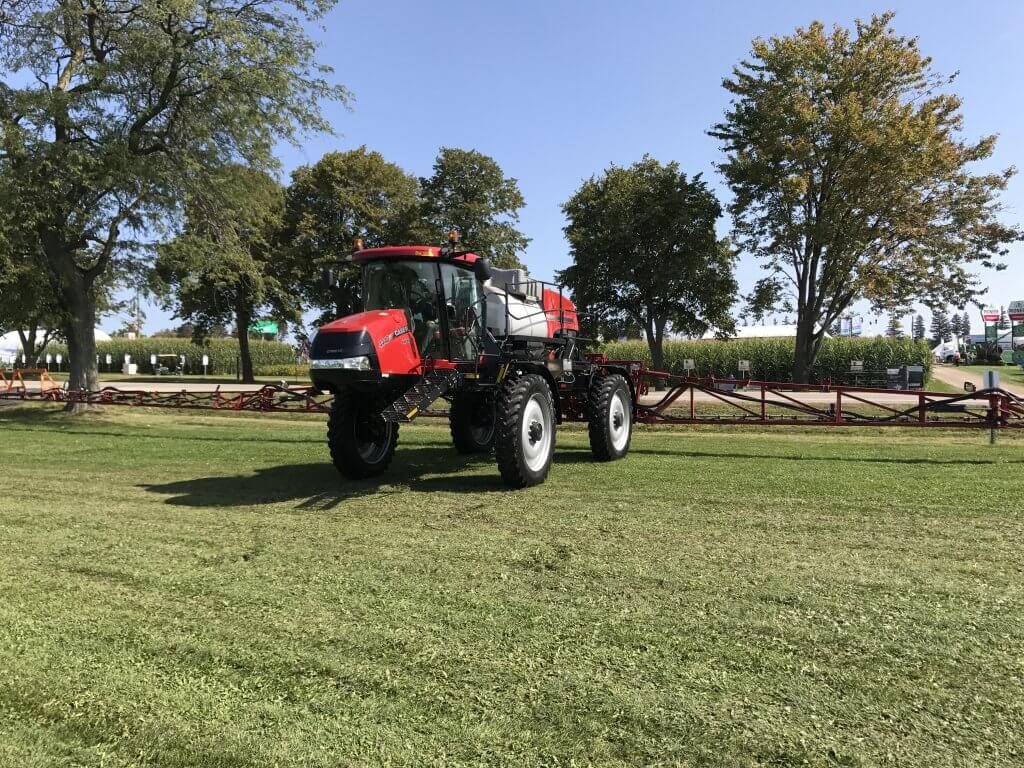
Author: Jason Deveau, Application Technology Specialist (OMAFRA) Cleaning, flushing, triple-rinsing… whatever you call it, sprayer sanitation is a time-consuming and distasteful task. Methods vary, but they generally span from the classic triple rinse (30-45 minutes) to a full tear-down and decontamination (many hours and likely an overnight soak). The operator decides how much time […]

We’re excited to let you know about the latest updates that we made to the Agricultural Information Atlas (AIA). What is the AIA? It’s OMAFRA’s free, easy-to-use online tool that can help you to: Develop nutrient management strategies and plans Plan tile drainage for your farm Develop a farm sketch for Pest Assessment Reports and Bee […]

[pdf-embedder url=”https://fieldcropnews.com/wp-content/uploads/2017/01/Farmsmart-2017-Organic-Amendments-for-fieldcropnews.pdf” title=”Farmsmart 2017 Organic Amendments for fieldcropnews”] This pdf was presented at the FarmSmart Conference at the University of Guelph on January 21, 2017. […]

Jennifer Jarvis, Stakeholder Communications and Marketing Advisor, OMAFRA Municipalities are responsible for developing their own by-laws. Your municipality may have passed by-laws that determine if you can remove a tree from your land or woodlot. These by-laws may include conditions that affect how you carry out the work, including the need for a qualified professional and/or […]

There’s a right time for everything. Every year, the Ontario Ministry of Agriculture, Food and Rural Affairs (OMAFRA) receives calls about winter spreading. Long, cold winters that come after a wet fall and/or late harvest tend to make winter spreading more common. However, spreading on frozen or snow covered ground, on saturated soil or before […]