Ontario Field Crop Report – August 17, 2022
Root growth of corn plants (V5 growth stage) growing in soil compacted to different bulk densities before corn seeds were planted (Strachan and Jeschke 2017) […]
Soil structure is a key indicator of soil health. The Visual Evaluation of Soil Structure (VESS) provides a simple framework for quantitatively scoring soil structure quality. It requires only a shovel for extracting a block of soil and a scoring sheet for evaluating it and can be performed in about 10 minutes with a little […]
Weather Much of the province received rain this past week, with significant rainfall (over 76 mm or 3 inches) in Huron Shores and Georgian Bay and eastern Ontario. A 25 to 50 mm (1-2 inch) rain mid-summer can still help finalize average yields, but it is too early to make final yield predictions. Crops that […]
Rain events across the province have interrupted a dry spring. While the water is welcome, the 5-7 days after a rain that ends a severe dry period increases the risk of nitrates in forage crops! Nitrates are of concern because they can increase silo gas production and cause nitrate poisoning in livestock. Silo Gas Silo gas […]
Ontario Hay Listings is a free classifieds service provided by the Ontario Forage Council. Producers looking to buy or sell hay or straw are encouraged to post an ad. The optimal time to summer seed alfalfa mixes depends on the length of the growing season: More than 3100 CHU: August 10-20 2700 – 3100 CHU: August […]
Improved nitrogen testing may be around the corner Ontario’s corn crop is past the halfway point at this time and is left to Mother Nature’s will to help mature the corn and give us a decent harvest. For the most part, that means we can look back at what 2022 brought us and how we […]
Weather Conditions The percentage of average precipitation during the current growing season is quite variable across the province. Crop conditions generally mirror precipitation levels with below average precipitation received in mid-western and southern Ontario causing significant crop stress, especially on lighter textured soils. Conversely, parts of eastern Ontario are above average with generally good crop […]
The relationship between alfalfa breeding efforts and yield potential is complicated. While most literature on annual grain crops shows yield improvements with the release of new varieties over time, a literature search on alfalfa yield will show improvement, stagnation, and declines, depending on the paper. One of the latest attempts to discern what is really […]
co-authored by: Meghan Moran Western bean cutworm can significantly reduce the quality and yield of your dry bean crop. Below are best practices for minimizing this insect’s impact to your bottom line. The simple answer Spraying insecticide for western bean cutworm (WBC) control in Ontario dry bean fields is warranted only if ALL of the […]
Western bean cutworm (WBC) trap counts are starting to ramp up quickly, with a few traps catching around 200-300 moths this week. Fewer trap sites are reporting to the GLMPMN, but from the ones that are, moth activity is increasing in southern counties (Chatham-Kent to Haldimand-Norfolk to Huron, as well as Prince Edward County (Fig. […]
Pasture managers can determine the minimum grass growth rate required to feed their herd or flock. Producers who track grass growth rates and compare them to their minimum required rate can make proactive management decisions to avoid running out of pasture. […]
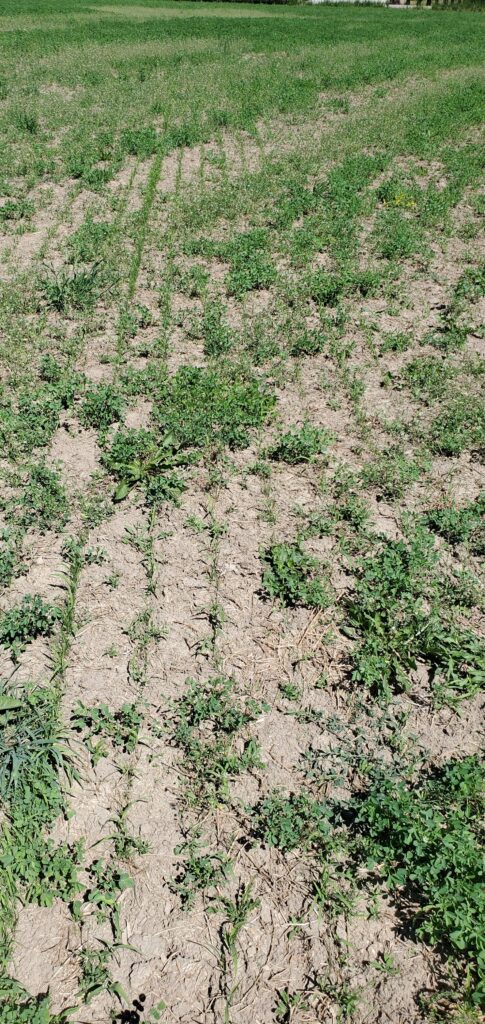
Managing Weed Seeds in Manure Where manure is applied there often seems to be higher weed pressure. The question: does manure fertilize the weeds already in the seed bank or are the seeds brought in with the manure? Consider that there are up to 15,000 weed seeds per square foot in the soil seed bank according […]
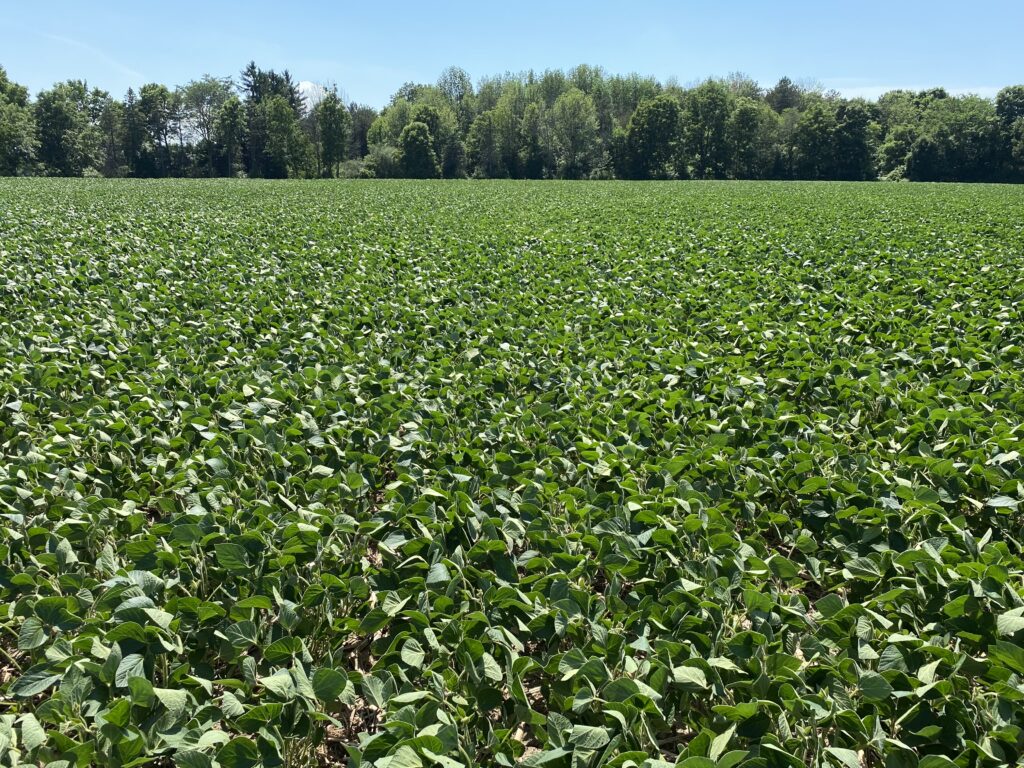
Some areas saw a bit or a lot of rain this past week but likely not enough yet to reduce our risk of spider mites in soybeans and dry beans. What is very concerning is that samples collected last year from 10 fields in southern Ontario all were resistant to dimethoate (Lagon or Cygon). The […]
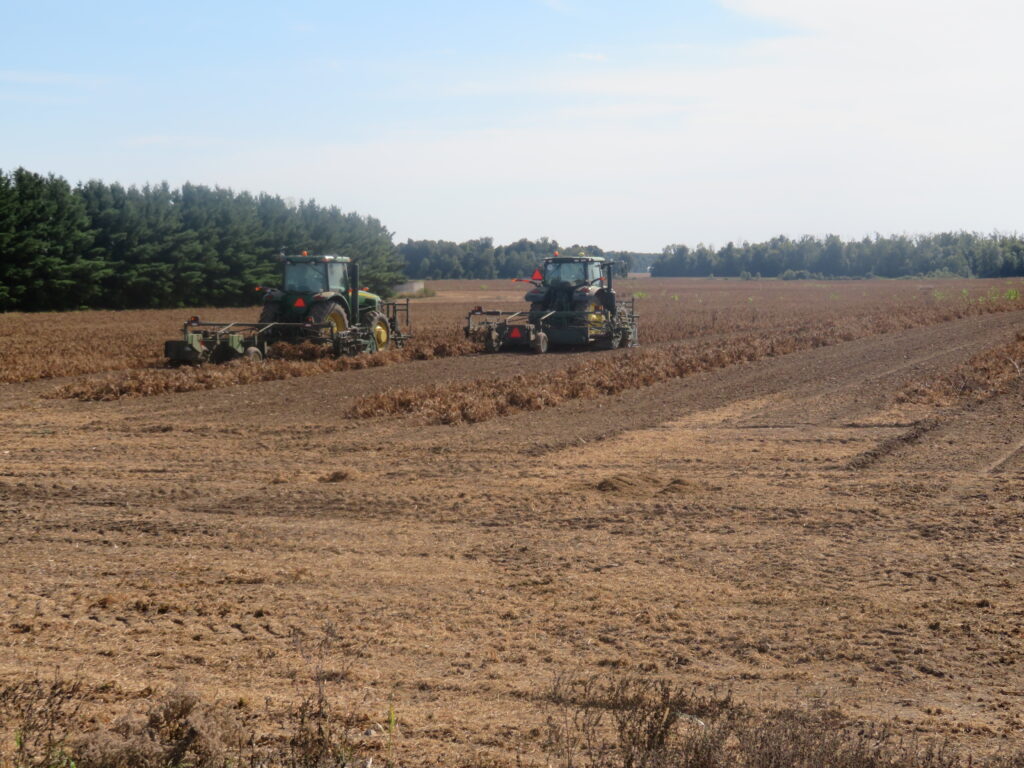
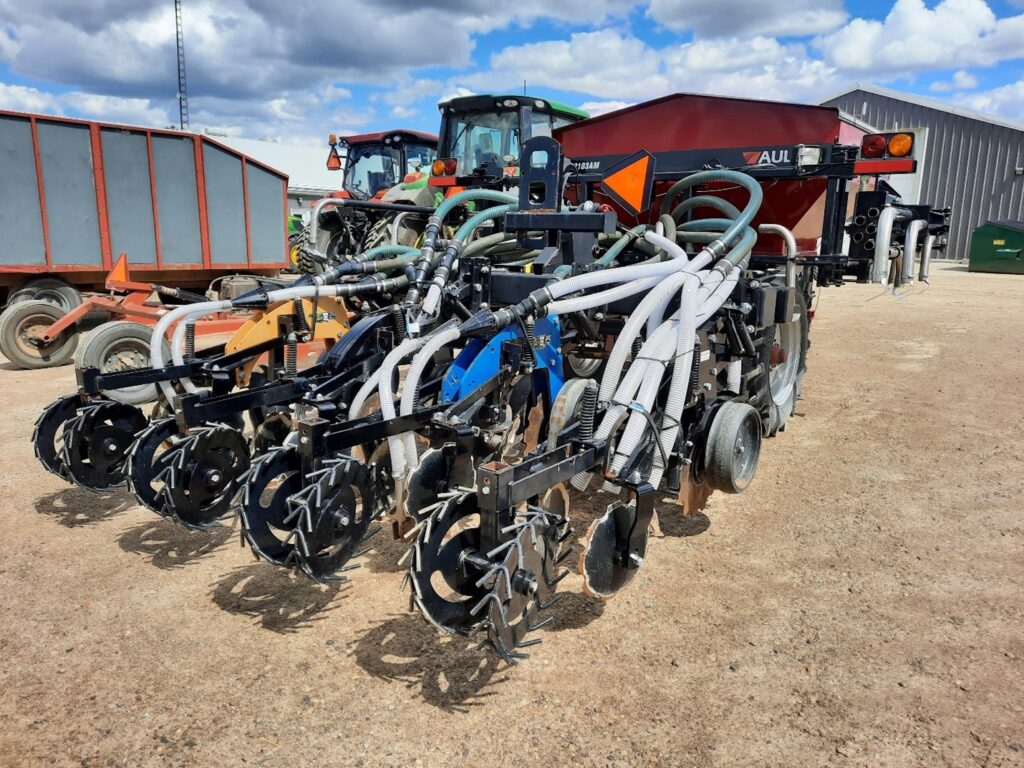
Did you know that there are two new resources on strip-tillage in Ontario? Earlier this year, OMAFRA released two factsheets on strip-till with information specific to Ontario’s climate, soils, and farmer experiences. The first factsheet, called Strip-Tillage in Ontario: The Basics, provides an overview of strip-till, how it works, crops it’s used for, its benefits […]
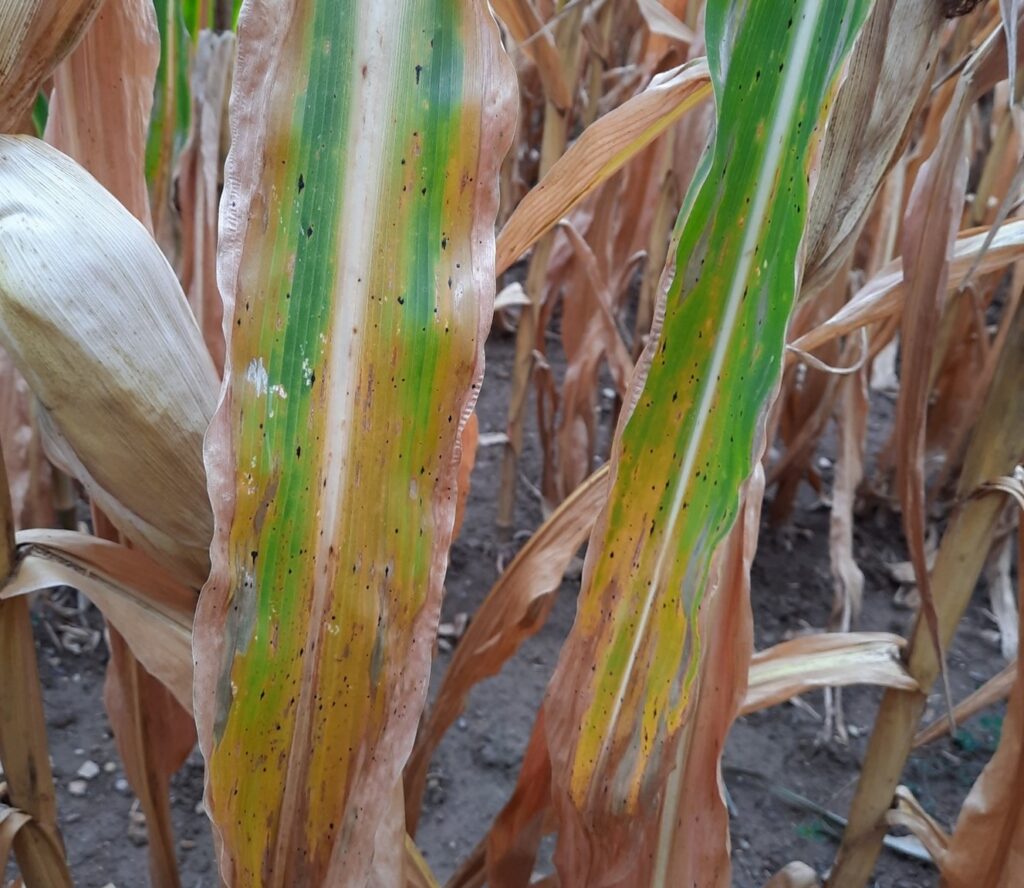
More growers are noticing northern corn leaf blight (NCLB) – the most common corn leaf disease in Ontario. A proactive and integrated approach to management will mitigate significant financial losses. The simple answer Regular scouting is the best way to identify increases in the severity of NCLB. Ontario research has shown that an effective fungicide […]