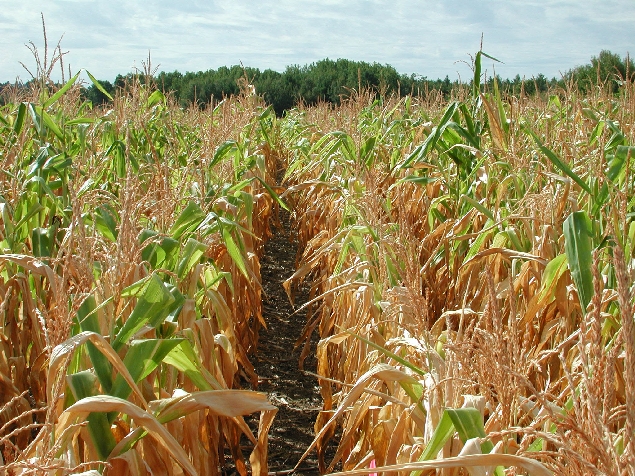
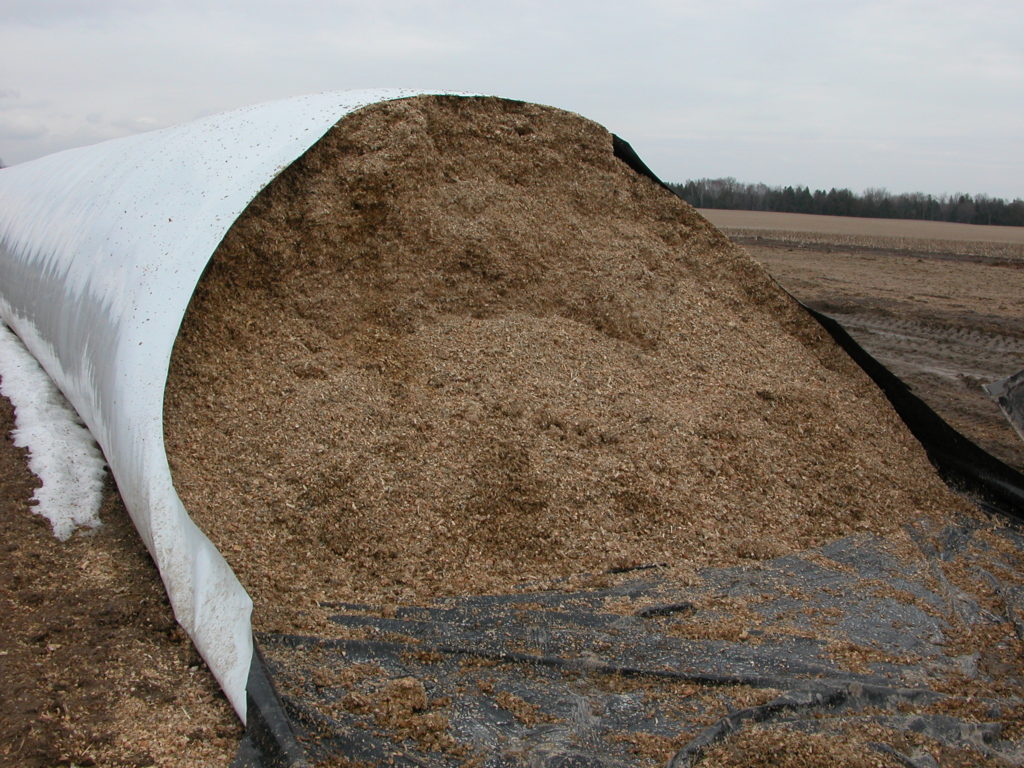
Potential Nitrate Poisoning and Silo Gas When Using Corn Damaged By Dry Weather For Silage, Green Chop Or Grazing

This article was originally written by Joel Bagg in 2012. It was edited August 22, 2025 by Christine O’Reilly to fix broken links to further resources. Extended periods of dry weather without rain can severely stress corn plants. When this occurs during tasselling and pollination, cob formation and grain yield can be significantly reduced. As […]

Read More…

Pricing Corn Silage In 2012

This article was originally written by Joel Bagg (retired OMAFRA Forage Specialist) in 2012. It was edited August 22, 2025 by Christine O’Reilly to fix broken links to further resources. Corn silage is a useful late-season forage option for livestock producers, particularly in years when hay and haylage inventories are limited. Rainfall has been extremely […]

Read More…

WBC Peak Flight Update

Although we are missing some data from a few trap locations it appears as if most of the province has experienced peak flight for WBC.  We hit peak flight earlier this year then in previous years but this consistent with what we have seen with other Lepidoptera pests this year. Counties with an asterisk “*” […]

Read More…

My Soybeans are Wilting

In Ontario there are many root/stem diseases which cause wilting symptoms in soybeans.  With the hot, dry conditions this year over much of the province some of these diseases such as stem canker, Fusarium wilt, charcoal rot have taken advantaged of the additional stress. Fusarium wilt or blight of soybeans can affect soybeans at any […]

Read More…

Rain and Spider Mites

Since we’ve been getting a bit of rain across the province in the last week I’ve been asked about how the rain will affect spider mite populations in soybeans.  Rains are very beneficial to help keep populations of spider mites down but don’t assume that because it rained our spider mite problems are over.  If […]

Read More…

Forage Report – July 25, 2012

Dry weather has significantly reduced forage regrowth and second-cut yields.  Many farmers are examining options to increase their forage inventories, including using corn damaged by dry weather for silage. https://fieldcropnews.com/?p=4243 Seeding oats in late-July or early-August following wheat for an early-October harvest can be a useful low-cost option for extending forage supplies. Oats can make […]

Read More…

Forage Report – July 25, 2012

Dry weather has significantly reduced forage regrowth and second-cut yields.  Many farmers are examining options to increase their forage inventories, including using corn damaged by dry weather for silage. https://fieldcropnews.com/?p=4243 Seeding oats in late-July or early-August following wheat for an early-October harvest can be a useful low-cost option for extending forage supplies. Oats can make […]

Read More…

Summer Seeding Oats For Extra Forage

Seeding oats in late-July or early-August following wheat for an early-October harvest can be a useful low-cost option for extending forage supplies. Oats can make good feed when harvested at the correct stage of maturity and made into “oatlage” or baleage. Oats are more frost tolerant in the fall than sorghums, and can continue growth […]

Read More…

It’s a Lepidoptera Summer!

The butterfly enthusiasts had a good spring this year with the early arrival of the red admiral butterfly and large flights of other species. Unfortunately for us, that also meant some pests also arrived in great numbers. Speaking of pests has anyone seen this caterpillar in soybeans? This is the larval stage of the painted […]

Read More…