OMAFRA Field Crop Report – August 6, 2020

There are currently three key topics for forage production: nitrates, potato leafhopper, and planting annual forages for fall production. Nitrate poisoning of livestock is a risk in a dry year In a dry year, high nitrate levels in forages are a concern. Fast-growing grass species, such as corn, sorghum-sudangrass, and cereals are most likely to […]

Read More…

July 2020 Forage Report

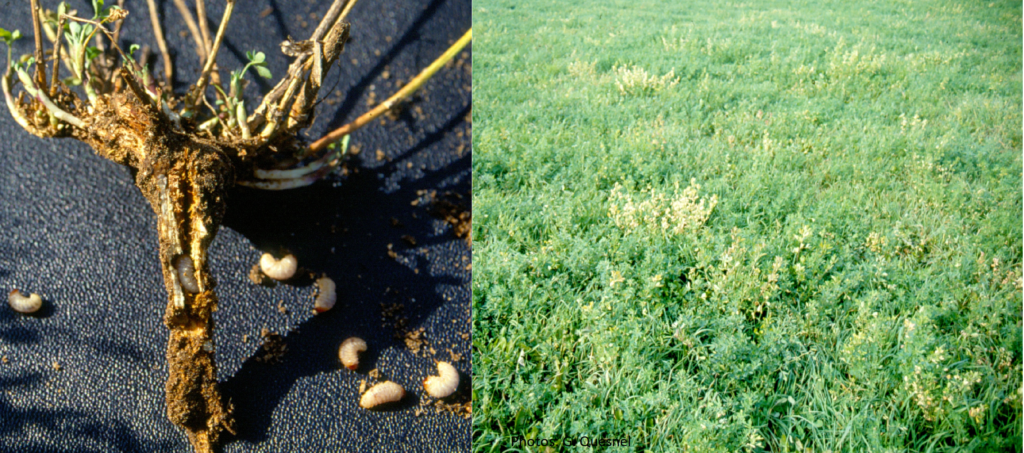
Alfalfa plants exhibiting characteristic hopperburn: a yellow V shape on the tips of the leaves.

Photo above: Potato leafhopper damage (called “hopper burn”) is frequently mistaken for insufficient water. To maximize the forage yield of fall cereals next spring, research from New York state suggests planting fall rye or winter triticale 10-14 days before the optimal winter wheat planting date (Figure 1).   September 1st is the deadline to report […]

Read More…

SCN Survey of Dry Bean Fields in Perth and Oxford Counties

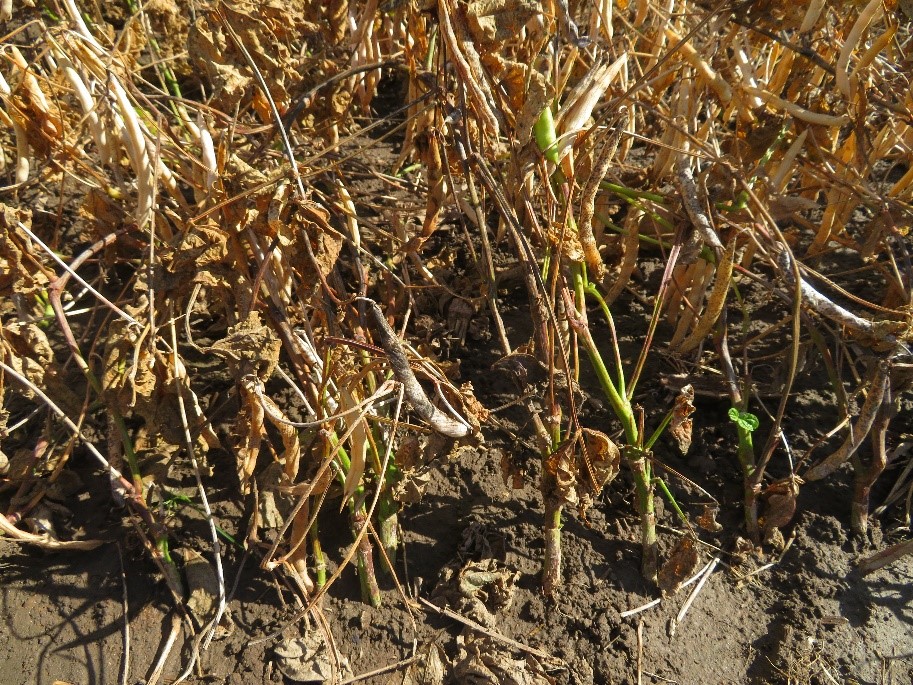
Background Although named for its affliction on soybean plants, soybean cyst nematode (SCN) can cause comparable damage to dry edible bean crops, and can adversely affect yields and economic benefit, as well as the future use of Ontario’s current dry bean-producing land. Poor yields associated with SCN infestation can be exacerbated by other environmental factors […]

Read More…

Forage Options Following Wheat

With winterkill, winter injury and low first-cut yields in many parts of Ontario as well as higher land costs, there is interest in following winter wheat and other cereals with a forage crop to help supplement inventories. Not only can this approach produce some extra feed, it also provides cover crop benefits. There are a few double-crop forage options […]

Read More…

Avoiding, Preparing For and Reacting to Harvest Fires

Wheat harvest 2020 is right around the corner! The conditions are dry in those fields! Once the rush starts it will be “all hands on deck” But remember the slew of harvest/field fires that occurred in July 2016/17/18 under similar dry conditions.  Harvest fires result in a financial, emotional and environmental burden to the farm and risks the lives of farm personal, local fire departments and the public and uses firefighting resources. Make sure you are prepared before harvest begins! […]

Read More…