Summer Seeded Oats For Extra Forage – 2012 Recap

  Record acreages of emergency annual forages were seeded this summer after wheat and spring cereals were harvested. Low yields of first- and second-cut hay left many farmers with very low forage inventories. Emergency forages used included cool-season cereals (oats, barley, triticale) and cereal pea mixtures, as well as some warm-season sorghums, sorghum-sudans and millets […]

Read More…

Silage Fermentation Problems

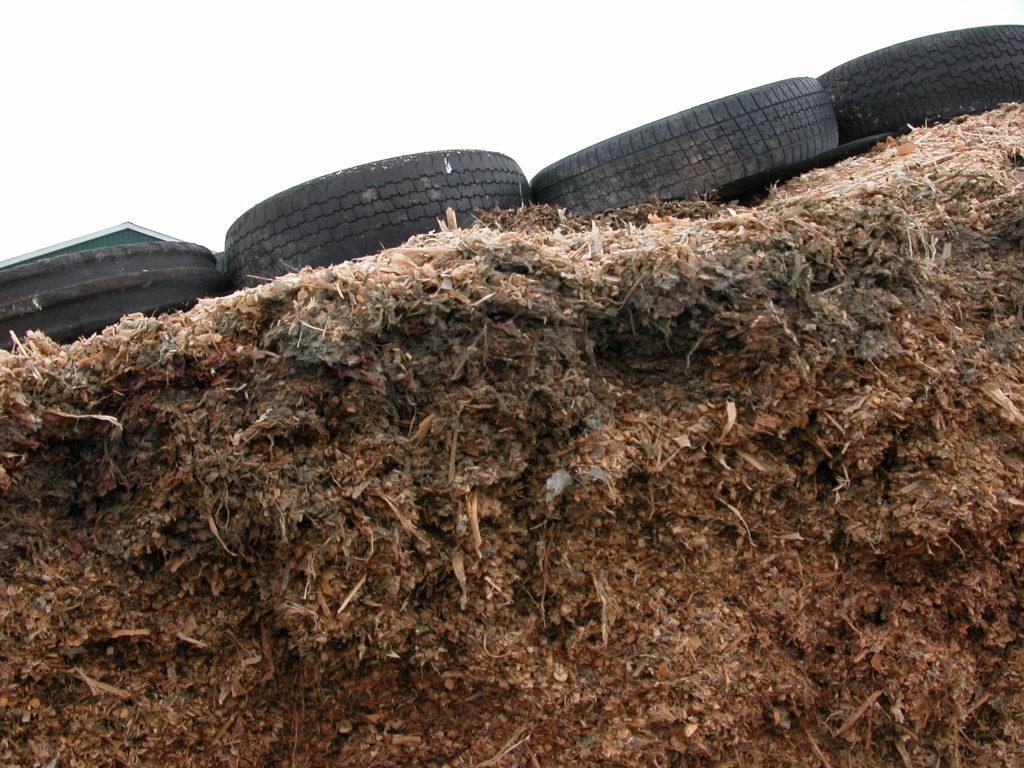
This article was originally written by Joel Bagg in 2012. It was edited August 22, 2025 by Christine O’Reilly to fix broken links to further resources. When we make corn silage and haylage, we are using our skills as microbiologists, just like winemakers, brewers and composters. As a biological system, silage making doesn’t always work […]

Read More…

2012 Forage Crops Seasonal Summary

Forage production was extremely challenging in 2012, with low yields and tight forage inventories. Significant reductions in forage acres occurred from 2006 to 2011, of 500,000 acres of hay and 250,000 acres of pasture. Inventories of hay carried over in the spring were historically low.  Export demand for quality hay to the US is very […]

Read More…

Forage Report – August 23, 2012

Cutting Alfalfa This Fall? With reduced forage inventories, it will be very tempting to cut some alfalfa this fall. The decision and the immediate need for forage should be weighed against the increased risk of alfalfa winterkill. The Critical Fall Harvest Period for alfalfa is the 6-week rest period preceeding the average date of killing […]

Read More…

Stink Bugs in Soybean

Stink bugs have been showing up in soybean fields in south western Ontario in noticeable numbers over the past 2 weeks and reports of stink bug numbers from Ohio are showing a similar trend. We may see more stink bug in the soybean crop  this year then in previous years so it’s time to be […]

Read More…