Beef up your forage intake rates on pasture

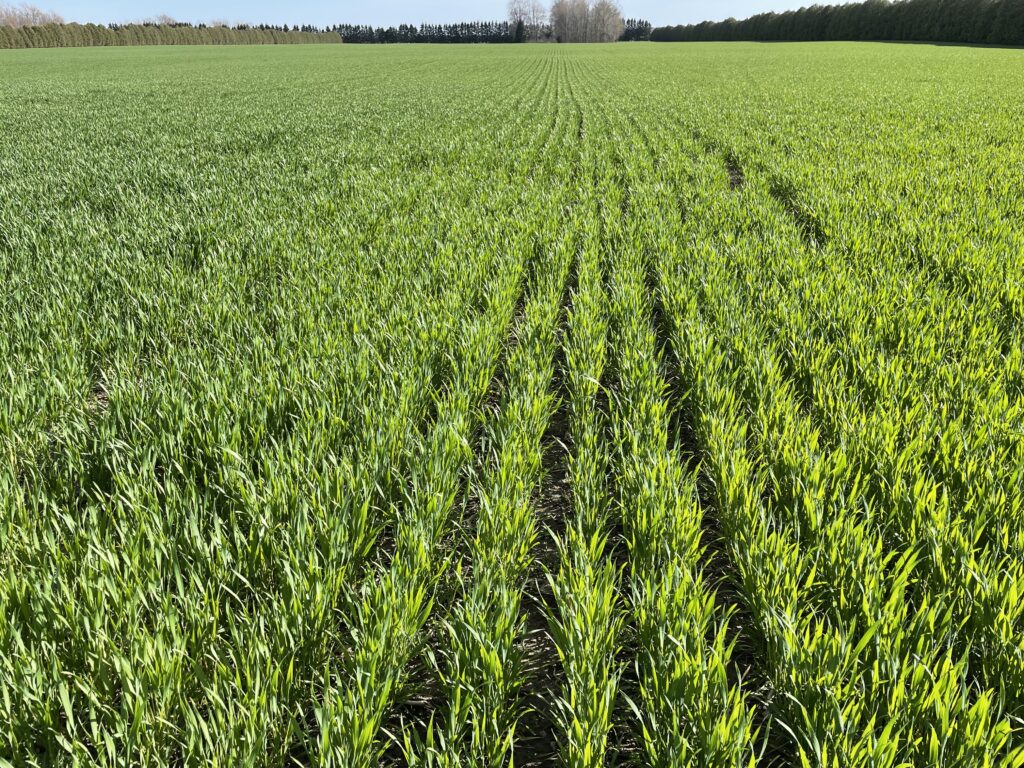
This article was originally published in the Spring 2024 edition of Virtual Beef. Pastures in Ontario usually consist of a mix of bunchgrasses and sod-forming grasses. This diversity in plant structure encourages livestock to sort through the pasture, spending grazing time seeking the most palatable plants instead of maximizing forage intakes. Increased forage intake leads […]

Read More…

Canadian Bt Trait Tables for 2024

The Canadian “Bt” Corn Trait Tables for 2024 are now available: English:  Canadian Bt Corn Trait Table for April 2024 French:  Maïs exprimant des protéines insecticides disponibles au Canada (Avril 2024) Bt is in quotes because RNAi (RNA interference) technology, which is not a Bt trait, is now offered in some of the packages for […]

Read More…

Managing Barley Yellow Dwarf Virus in Oats

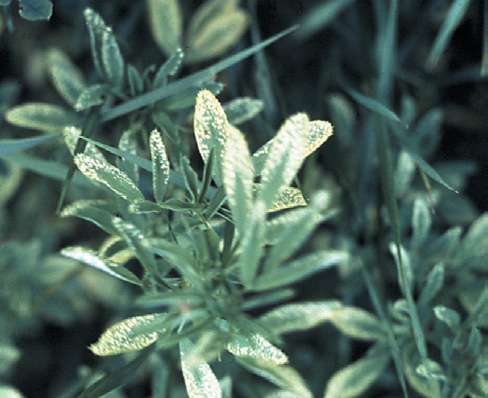
Barley Yellow Dwarf Virus (BYVD) effects a wide range of grass hosts including wheat, oats and barley with oats being considered the most susceptible crop. In some regions of the province, BYDV has been reported as having a significant negative impact on oat yields. Appearance: The primary symptoms of BYDV include stunting and yellowing, reddening […]

Read More…

Manure Analysis

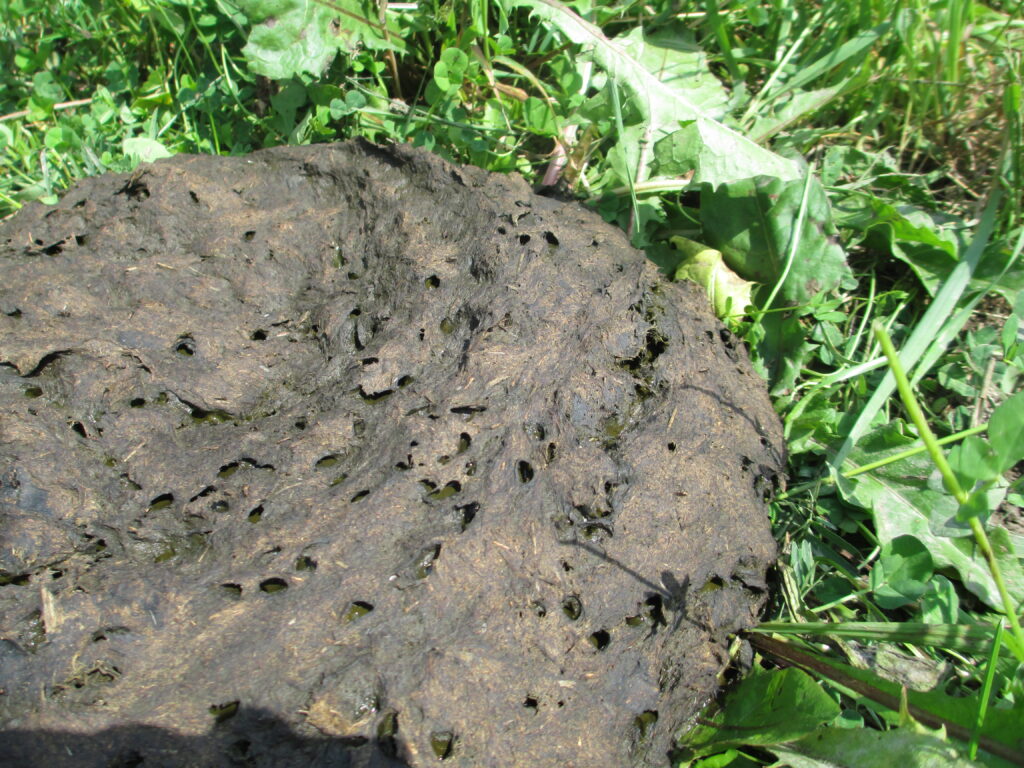
Manure analysis is necessary because the quantities of nutrients contained in manure, especially the phosphorus and potash components, will vary from farm to farm. Type of livestock, ration, bedding, added liquids and storage system all affect the final nutrient analysis. Using average values for a livestock class is useful as a last resort, but the […]

Read More…

Manure as a Nutrient Source

Manure can be an excellent source of nutrients for forage crops, as it is readily available on livestock farms. The value of manure in crop production is often underestimated. Manure contains all the nutrients needed by crops but not necessarily in the proportions needed for specific soil and crop conditions. In addition to nitrogen, phosphorus […]

Read More…

Applying Manure on Forages

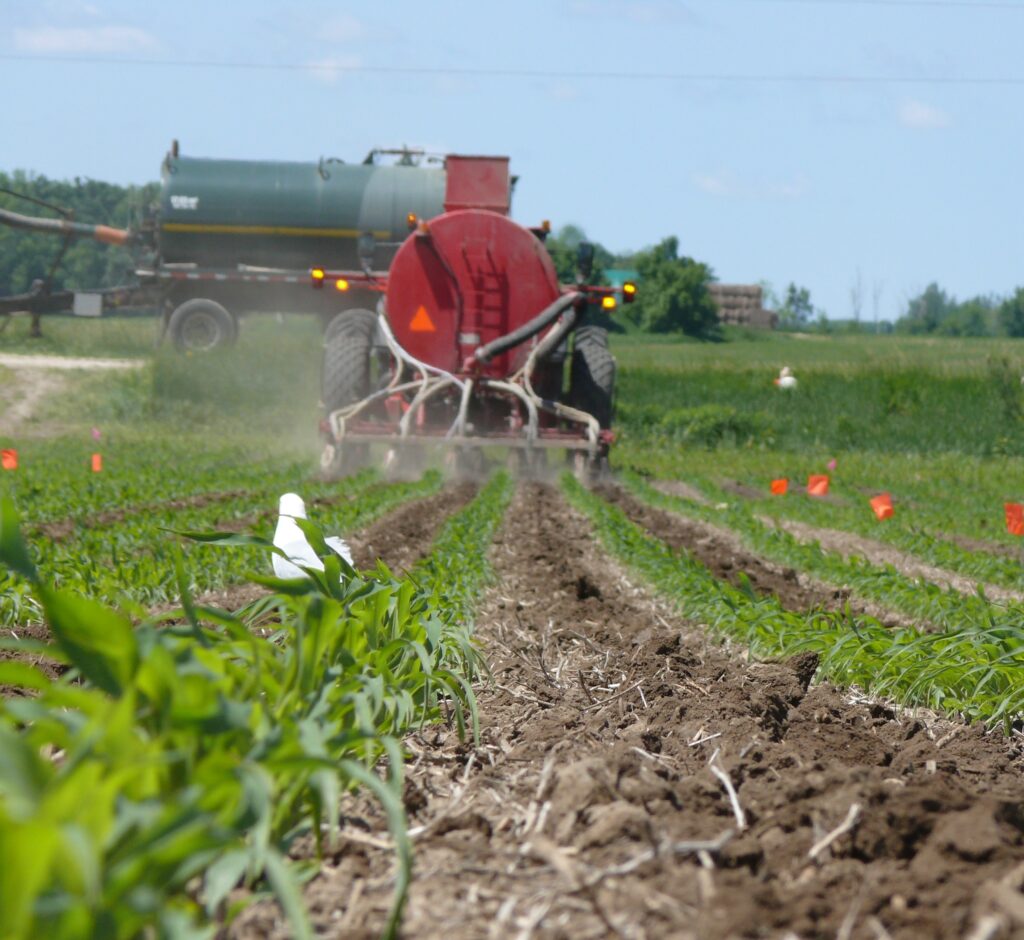
Manure should be applied on forages as soon as possible after harvest. Once regrowth starts — typically within 5 days after cutting — equipment traffic can damage active growing points. The trampled crop must start growing all over, which reduces yield and sometimes delays maturity in the tracked areas compared to the rest of the […]

Read More…

GoCrops.ca is live!

The Ontario Corn Committee (OCC), the Ontario Cereal Crops Committee (OCCC), the Ontario Pulse Crop Committee (OPCC), and the Ontario Soybean and Canola Committee (OSACC) launched their new website: GoCrops.ca. The new website brings together the four previous crop committee websites under one cohesive banner. Ontario growers rely on third-party variety performance trial information to […]

Read More…

NEW LINK for the Great Lakes and Maritimes Pest Monitoring Network!

The Great Lakes and Maritimes Pest Monitoring Network (GLMPMN) website has been upgraded and has a new permanent link: https://experience.arcgis.com/experience/7164d23d488246d198dcf7a07d8c9021 Please bookmark this new link and use it going forward to enter any trap sites and trap data. The same link should work well for both desktop browsers and mobile devices. Everything is still the […]

Read More…

Does it work to plant green into cover crops for corn? Five unique Ontario fields in 2023.

A planter operating in a field with tall vegetation.

Planting corn directly into a living cover crop before it is killed by herbicide or tillage is not something that would have been considered 30 years ago. However, with advances in planter technology, herbicide options, and a greater awareness of cover crop benefits to soil health, more growers are doing it. According to the 2022-2023 […]

Read More…