Waterhemp: biology and control
This post will serve as a repository for all information associated with the management and control of waterhemp in Ontario. […]
Reports have already come in of a few soybean fields that have reached threshold and need to be sprayed this week for spider mites. This hot, dry weather at the start of wheat harvest is the perfect scenario for significant spider mite infestations to move into soybeans, dry beans and possibly even the corn crop. […]
The Ontario Virtual Crop Diagnostic Event will replace all in-person provincial crop diagnostic days that have been postponed this season due to the COVID-19 pandemic. The first series of diagnostic learning sessions begins on Wednesday July 15, 2020. For more information and to register go to OMAFRA Virtual Diagnostic Days Series website. While the management […]
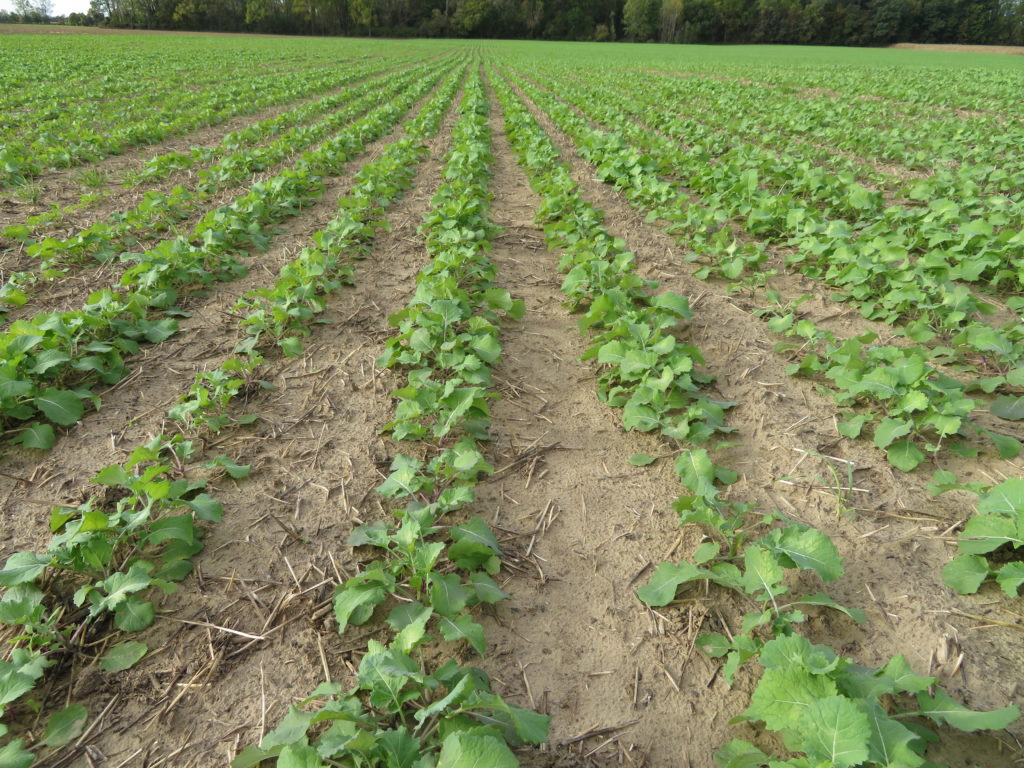
With winterkill, winter injury and low first-cut yields in many parts of Ontario as well as higher land costs, there is interest in following winter wheat and other cereals with a forage crop to help supplement inventories. Not only can this approach produce some extra feed, it also provides cover crop benefits. There are a few double-crop forage options […]
Wheat harvest 2020 is right around the corner! The conditions are dry in those fields! Once the rush starts it will be “all hands on deck” But remember the slew of harvest/field fires that occurred in July 2016/17/18 under similar dry conditions. Harvest fires result in a financial, emotional and environmental burden to the farm and risks the lives of farm personal, local fire departments and the public and uses firefighting resources. Make sure you are prepared before harvest begins! […]
Weather update: Most of the area is under hot and dry conditions. Spotty thunderstorms have resulted in variable rain ranging from no rain to 5 inches at Stoney Point (Essex). About 1/3 of normal total crop heat units (chu) will be accumulated by end of June. Considering cold temperatures to start the season, current chu […]
By OMAFRA FIELD CROP TEAM Winter wheat harvest is quickly approaching so as we get prepared here are a few quick reminders to help us get through what will hopefully be a great harvest! Watch for Pre-harvest Intervals (PHI) With armyworm, as well as other insects being monitored in many areas through to harvest, and […]
Southwestern • According to AAFC, Lambton, Huron, Perth, Bruce, Grey, Dufferin, Wellington, Waterloo, and Halton counties had average amounts of precipitation for the month of June. The rest of the region had below-average amounts of rainfall. • First cut was fully underway the first week of June. • There have been many reports of true […]
This article was written by Tracey Baute, Entomologist- Field Crops and Joanna Follings, Cereals Specialist True armyworm (Figure 1) has been reported in a number of regions in the province including but not limited to Grey, Bruce, Simcoe, Haldimand, Niagara, Middlesex, Lambton, Elgin, Oxford, Perth, and Bruce counties. Armyworm has been found at low levels […]
This was the last spring breakfast meeting for the Cobourg + Winchester calls. A season recap call will be planned for late November or early December. Thank you to everyone who participated in these virtual meetings this spring. If you have any feedback, please contact Sebastian Belliard (Sebastian.belliard@ontario.ca), Ian McDonald (ian.mcdonald@ontario.ca), or Christine O’Reilly (Christine.oreilly@ontario.ca). Weather Rainfall has been […]
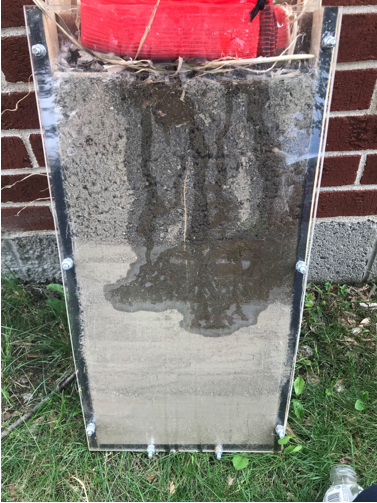
While managing soil microbes might be the newest frontier to improving soil health, one thing has not changed: you cannot improve soil you no longer have! Minimizing erosion is the first step in a soil health management plan. The old adage says: “you can only manage what you measure”, but actually measuring soil erosion is very complicated, even for experts in this field. There’s no need to measure Cesium isotopes along that slope in your field. What needs to be managed is the risk of erosion. […]
Wheat Pests are Still a Concern True armyworm (TAW) larvae are in many winter wheat and spring cereal fields across southern Ontario, thankfully not always at threshold. Some fields have populations at threshold (4-5 unparasitized larvae smaller than 2.5 cm per square foot) or above and with minimal feeding damage. Larvae sometimes choose not to […]
Tracey Baute, Field Crop Entomologist, OMAFRA Climate change will have a direct impact on insect pests. Since insects are cold blooded, they are directly influenced by temperature. Those that feed on plants also rely on the availability of their host crops to survive. Though we have an idea of some of the impacts climate change […]
This was the last breakfast meeting for the Exeter and Mt Forest group. Thank you to everyone who has participated this season, and for adapting to the new Zoom format. Corn Crop advisors are getting a lot of questions right now about leaf wrapping and yellow flash on corn leaves. While this may look similar […]
Keeping soil covered and minimizing erosion is a key principle of soil health. Maximizing the efficiency of crop nutrient uptake and minimizing losses are the foundation of 4R Nutrient Stewardship. When combined, these principles form the basis of a new online tool from OMAFRA called PLATO (Phosphorus Loss Assessment Tool for Ontario). PLATO is a calculator that you can use to estimate the risk of phosphorus loss on your farm. It’s part of the newly re-vamped AgriSuite and uses your specific soil, crop and nutrient application information to provide a risk rating and options to improve your score. […]